
15+ years in finance
Our Chief Executive Officer, Aditya Kumar, brings more than 15 years in the finance industry to every file, and knows how credit teams assess an asset application.
Aditya Kumar, Chief Executive Officer

Our services
Get the Gear Working Before It's Paid Off
Rates and lender policies current as of .

The right equipment pays for itself. The trick is getting it working before you've found the cash to buy it outright. Asset finance lets you put the vehicle, machine or tool to work now and pay for it over time, out of the income it helps generate.
Unitree Finance arranges asset finance across a panel of more than 110 lenders, from major banks to specialist equipment funders. New or used, dealer or private sale, one ute or a whole fleet, we'll match you with a lender that understands the asset and your industry.
Asset finance is funding for a specific piece of equipment, where the equipment itself secures the loan. Because the lender can look to the asset if something goes wrong, you usually don't need to offer your house or other property as security.
That's what makes it one of the most accessible forms of business lending. The asset does most of the work, so approvals tend to be quicker, rates sharper than unsecured lending, and newer businesses often have a realistic path in.
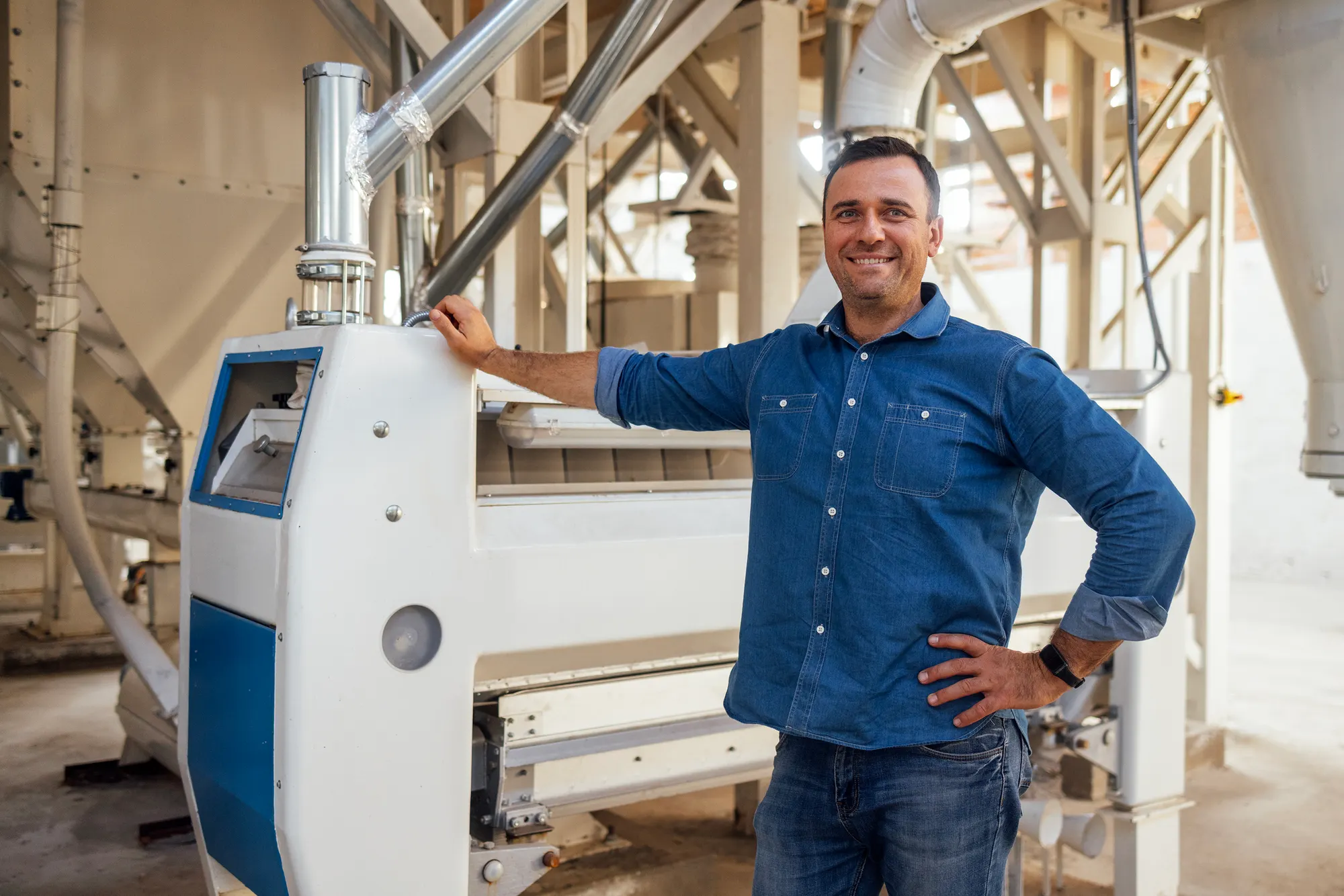

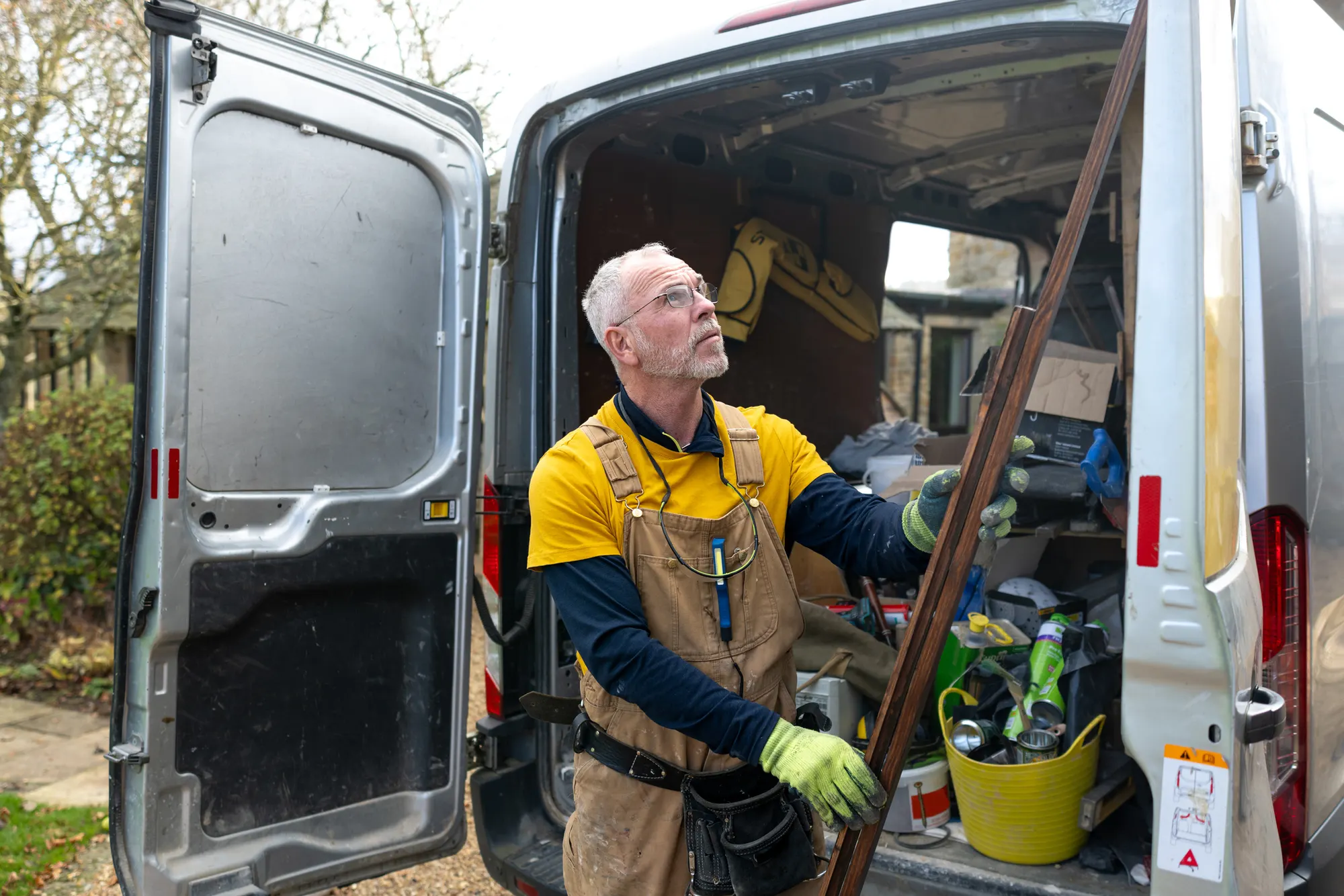
Tradies, transport operators, contractors, manufacturers, medical practices and hospitality businesses across Australia. The common thread is a business that needs an asset to earn, and would rather keep its cash for running costs.
We're particularly useful if you:
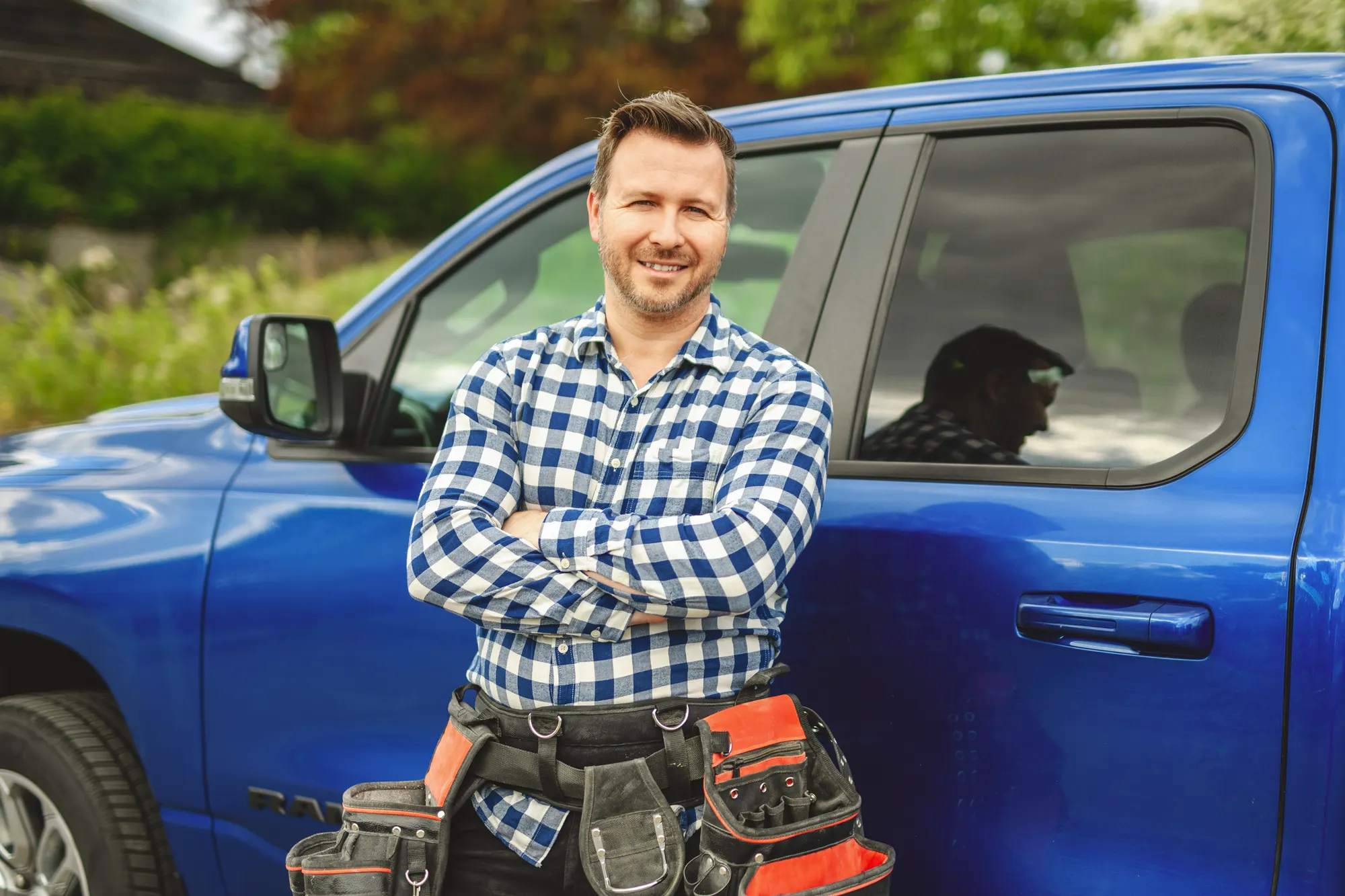 Business Vehicle Finance
Cars, utes, vans, trucks and trailers for business use, with balloon options to keep repayments manageable.
 Used Equipment and Vehicle Finance
Second-hand assets from dealers, private sellers and auctions, with honest guidance on age limits and inspections.
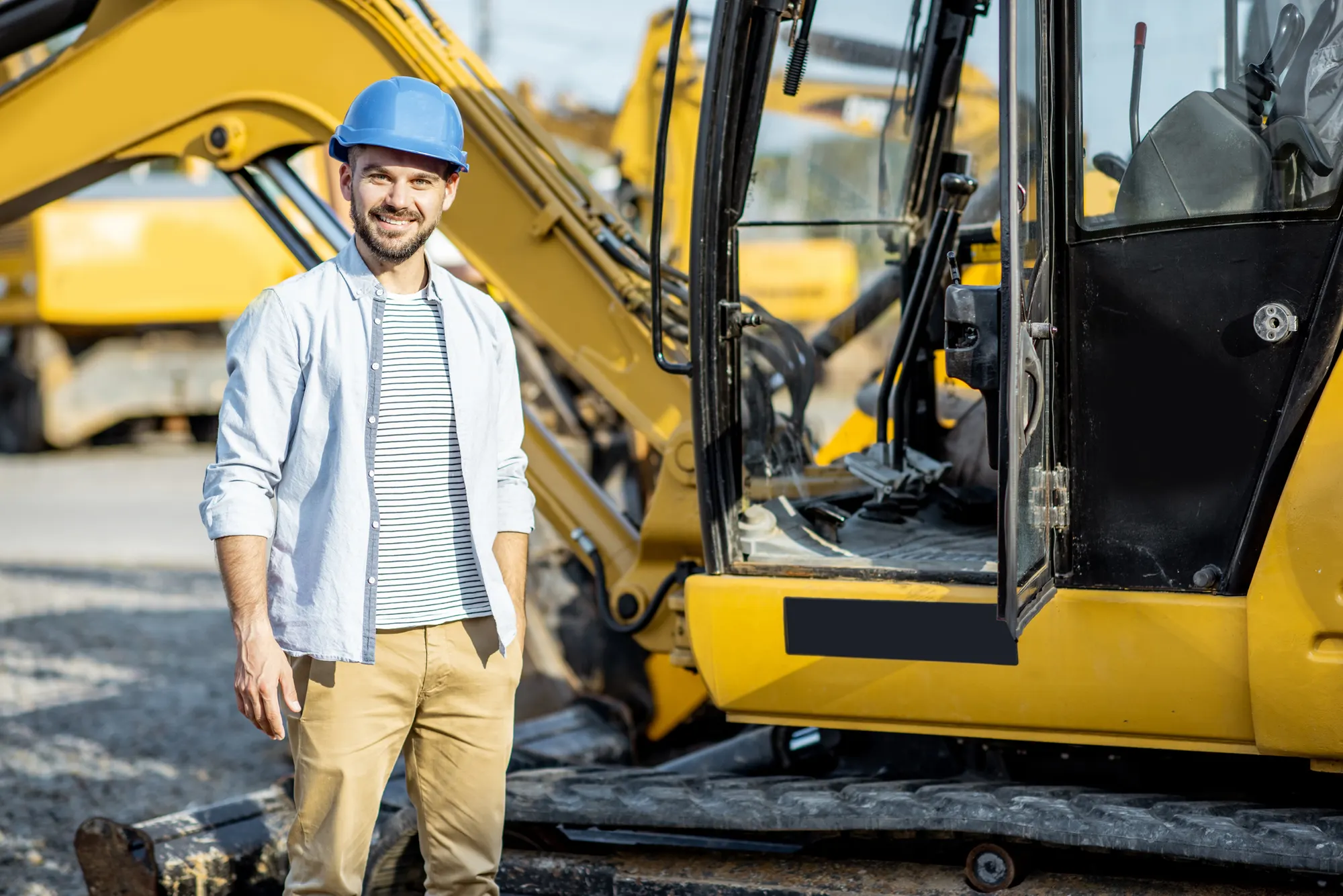 Yellow Goods Finance
Earthmoving and construction machinery, with repayment structures that can follow the seasons and your contract pipeline.
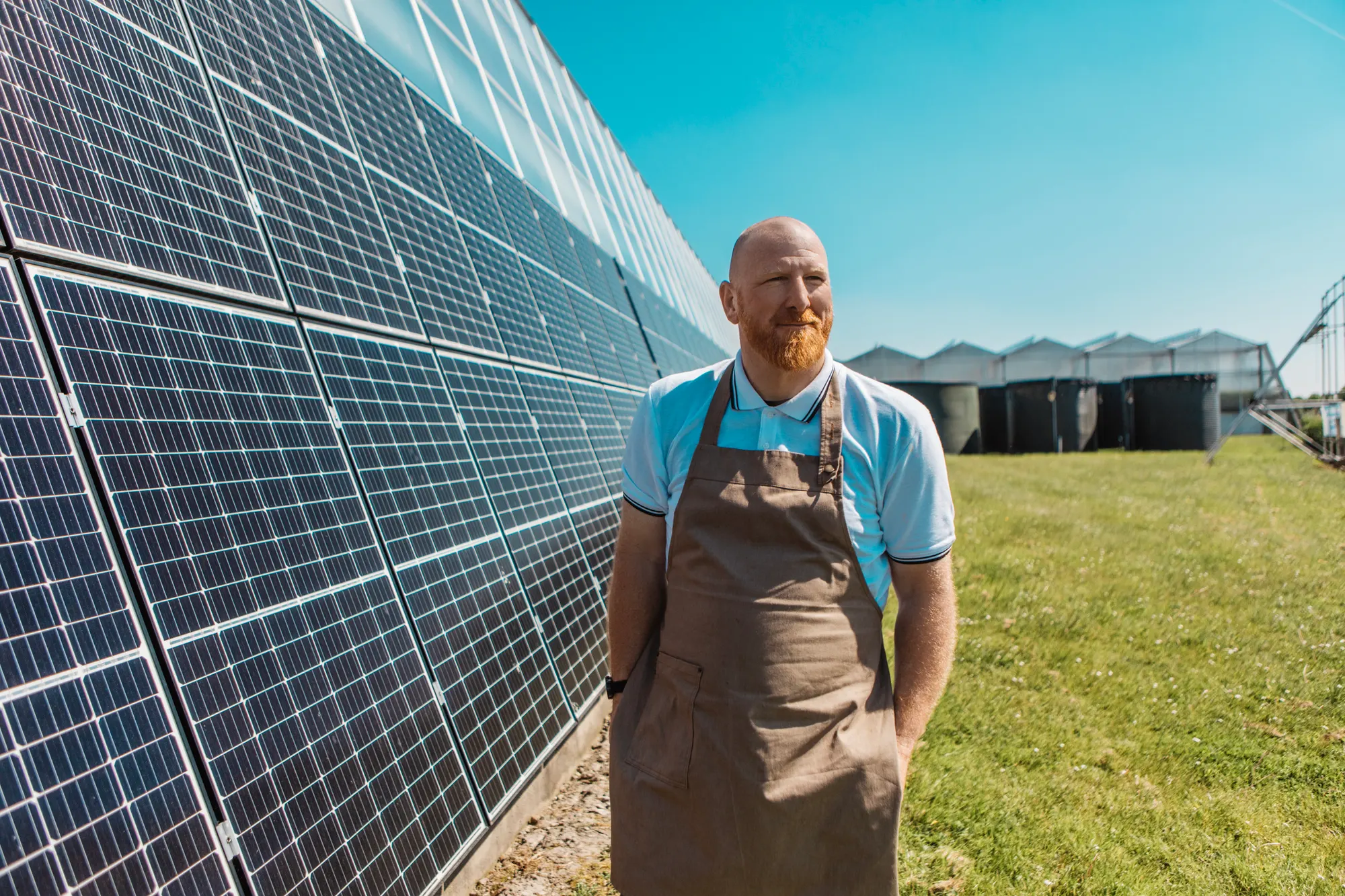 Solar Equipment Finance
We'll help you fund the panels, inverters and battery storage over a term that lets the savings do the heavy lifting, so your working capital stays where it is.
The asset is only half the decision. How the finance is structured affects who owns it, how GST is handled and what you can claim at tax time. Here are the four you'll hear about most:

You own the asset from day one, and the lender holds security over it until the loan is repaid. It's the most common structure for GST-registered businesses, largely because of how GST and depreciation are treated.
The lender owns the asset and leases it to you for a set term, usually with a residual payment at the end. Lease payments are generally treated as a business expense.
The lender owns the asset while you pay it off in instalments, and ownership passes to you with the final payment.
You rent the asset for part of its useful life and hand it back at the end. It suits equipment that dates quickly or that you'd rather not own.
The right choice depends on your GST registration, your tax position and whether you want to own the asset long term. It's a question for your accountant as much as for us, and we're happy to work through it alongside them.

The asset, the price, who's selling it and roughly how you'd like to structure repayments.
We match the asset and your business to lenders who know that type of equipment, then come back with options.
Nothing is lodged until you've seen the options and said yes.
Straightforward applications can be approved within a day or two.
The lender pays the seller directly and you take delivery.
Criteria vary by asset and lender. As a general guide:
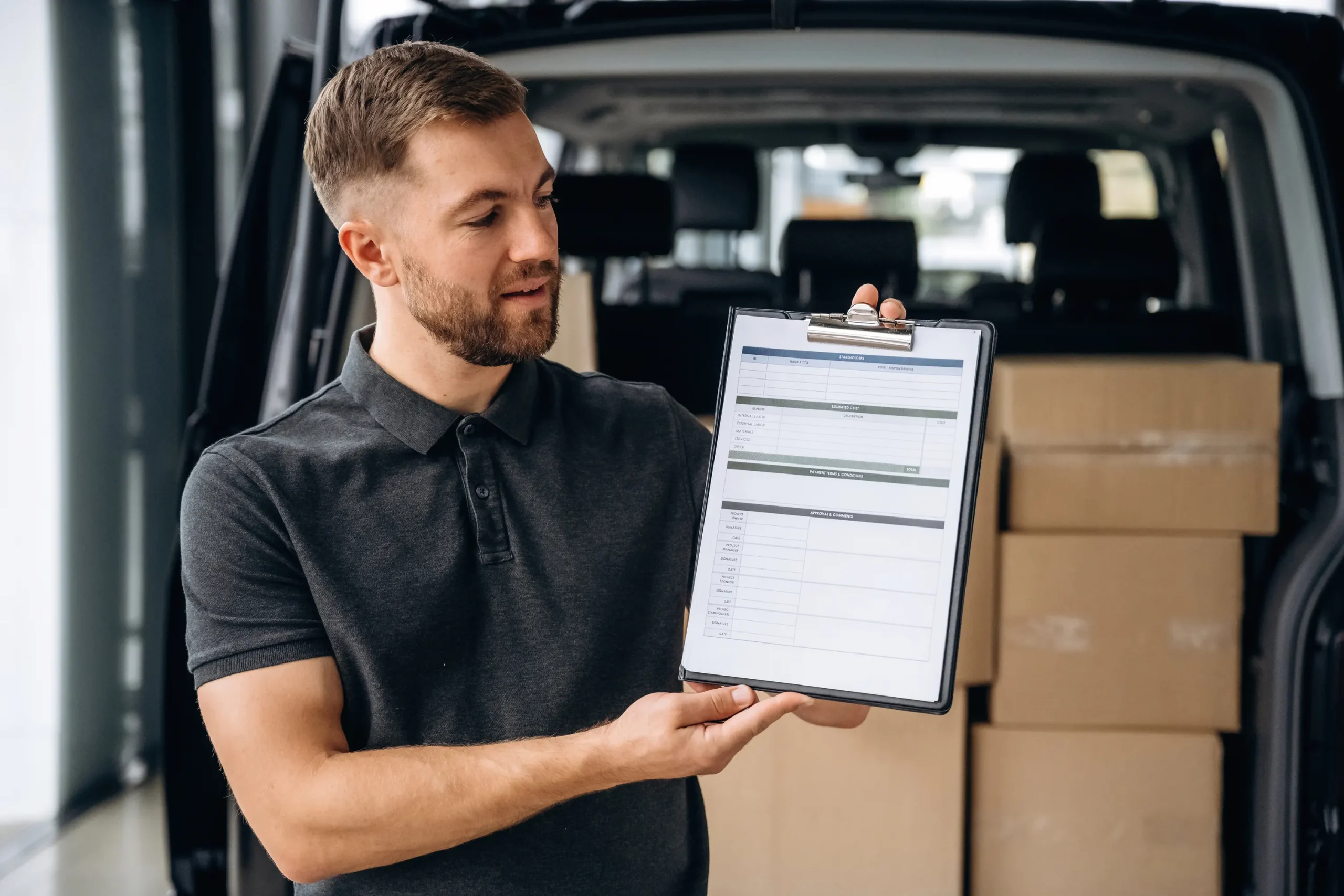
Low doc options are available for established businesses whose financials aren't current. Across 110+ lenders, there's usually a fit, even when one bank's criteria rule you out.

Banks tend to prefer new assets from dealers, established businesses and clean files. Plenty of good deals fall outside that, including used machinery, private sales, specialised equipment and younger ABNs.
Specialist asset lenders assess the equipment itself far more closely than a bank will, which often opens doors a bank has closed. If there's genuinely no fit, we'll tell you what would change the answer, whether that's a deposit, a different asset or a bit more trading history.
Chattel mortgage, lease or hire purchase changes your GST and tax position. Decide with your accountant before you sign.
A big balloon lowers repayments now and leaves a large bill later. Make sure you've got a plan for it.
A PPSR search confirms there's no finance still owing on it. Lenders will usually insist, and so should you.
If the loan outlasts the machine, you'll be paying for something you've already replaced.
Sometimes cash is right. Often, keeping it in the business is worth more.

Our Chief Executive Officer, Aditya Kumar, brings more than 15 years in the finance industry to every file, and knows how credit teams assess an asset application.
Aditya Kumar, Chief Executive Officer
Including specialist equipment and vehicle funders who understand assets the banks won't touch.
We'll lay out the options clearly and work alongside your accountant, rather than defaulting to whatever's simplest to arrange.
We match your asset to the right lenders and lodge there, which protects your credit file.
From first call through to delivery.
Strong presence in Sydney and Adelaide, working with clients in every state and territory.
Often not. Many asset finance facilities cover the full purchase price, since the asset itself secures the loan. A deposit can help if your business is newer, your credit history is mixed or the asset is older, and it usually improves your rate.
Yes, in many cases. Because the asset secures the loan, newer ABNs have more options here than with most other lending. A deposit, property ownership or relevant industry experience all strengthen the application.
With a chattel mortgage, you own the asset from day one, and the lender holds security over it. With a lease, the lender owns it, and you pay to use it. The difference affects GST, depreciation and what you claim at tax time, so it's worth a conversation with your accountant before deciding.
Often, yes, depending on the structure and whether the asset falls under the current threshold. The threshold and eligibility rules change regularly, so please confirm your position with your accountant before you buy.
Straightforward applications can be approved within a day or two. Used assets, private sales and specialised equipment can take a little longer, mostly because of inspections and valuations.
No. Initial assessments are free, and there's no obligation. Any fees on a specific facility are set out in writing before you commit.

Tell us what you're looking to buy and how you'd like to pay for it. We'll come back with the options, what each would cost and which structure is likely to suit your business.
Accredited brokers · Credit Representative 567862 under Australian Credit Licence 414426 · We explain applicable fees before you proceed · Australia wide
Your enquiry has been received. Our team will contact you to discuss your requirements.
A broker will be in touch about what's possible for your business now. Rather talk sooner? Call us on 1300 054 351.
Want an answer sooner? Apply online for an instant decision.
Apply online (opens in a new tab)Rather talk it through now? Choose a time that suits you.
Book a free 30-minute consultation (opens in a new tab)