
Asset Finance
Business Vehicle Loans Finance Australia-Wide
Cars, Utes, Vans and Trucks
No upfront credit checks
Zero impact to your credit score to check if you are eligible.
- Access to 110+ lenders
- Often no deposit required
- Optional balloon to lower repayments
Rates and lender policies current as of .

Your vehicle is usually where the work starts. Whether it's a ute for the job site, a van for deliveries or a truck for the long haul, getting it on the road shouldn't mean draining the cash you need to run the business.
Unitree Finance arranges business vehicle loans finance across a panel of more than 110 lenders, from major banks to specialist vehicle funders. New or demo, one vehicle or a fleet, we'll help you choose the structure and repayments that make sense for your cash flow.
Our credentials
- 15+ years experience
- 110+ lenders on our panel
- FBAA member broker
- Vehicles
- Cars, utes, vans, light and heavy trucks, prime movers and trailers
- Loan amounts
- To be confirmed
- Terms
- Typically 1 to 5 years, sometimes up to 7
- Deposit
- Often none required on the full purchase price
- Balloon
- Optional, to lower regular repayments
- Structures
- Chattel mortgage, finance lease or commercial hire purchase
- Approval
- Often within a day or two on straightforward applications
- Fees
- No direct debit fees and no account maintenance fees

What Is Business Vehicle Loans Finance?
It's a loan or lease used to buy a vehicle for business purposes, where the vehicle itself secures the finance. Because the lender has the vehicle as security, you generally don't need to put up property, and approvals tend to be quicker than for most business lending.
Most businesses use a chattel mortgage, where you own the vehicle from day one and the lender holds security over it until it's paid off. Leases and hire purchase are also available, and each treats GST and tax differently. The Asset Finance page explains the four structures side by side.
How a Balloon Changes Your Repayments
A balloon is a lump sum you pay at the end of the term. It lowers your regular repayments, but you pay it back at the end, along with a little more interest overall. Here's how it plays out on an illustrative $60,000 vehicle over five years:
Balloon
None
- Balloon amount
- $0
- Monthly repayment
- About $1,246
- Total paid
- About $74,730
Balloon
20%
- Balloon amount
- $12,000
- Monthly repayment
- About $1,086
- Total paid
- About $77,184
Balloon
30%
- Balloon amount
- $18,000
- Monthly repayment
- About $1,007
- Total paid
- About $78,411
Balloon
40%
- Balloon amount
- $24,000
- Monthly repayment
- About $927
- Total paid
- About $79,638
A 40% balloon trims around $320 a month off your repayments and adds roughly $4,900 to the total over five years. That's often a sensible trade for cash flow, as long as you've planned for the $24,000 at the end, whether that means selling the vehicle, trading it in or refinancing the balloon. Figures are illustrative only, calculated at 9% p.a. with monthly repayments, and aren't a quote.
What Businesses Need
- Motor Vehicles. Secured finance for any type of commercial vehicle up to 4.5 tonnes including (but not limited to) sedans, utilities, and all-terrain vehicles.
- Yellow Goods. Secured finance for any asset on wheels or tracks, including equipment ranging from excavators and backhoes to forklifts and mowers.
- Logistics. Secured finance for commercial trucks up to 12 tonnes GVM, trailers and caravans used for commercial purposes.
What Can You Finance?
- Cars for sales staff, managers and client visits
- Utes and dual cabs for trades and site work
- Vans for deliveries, service and mobile businesses
- Light and medium trucks
- Heavy trucks, prime movers and trailers
- Additions to an existing fleet
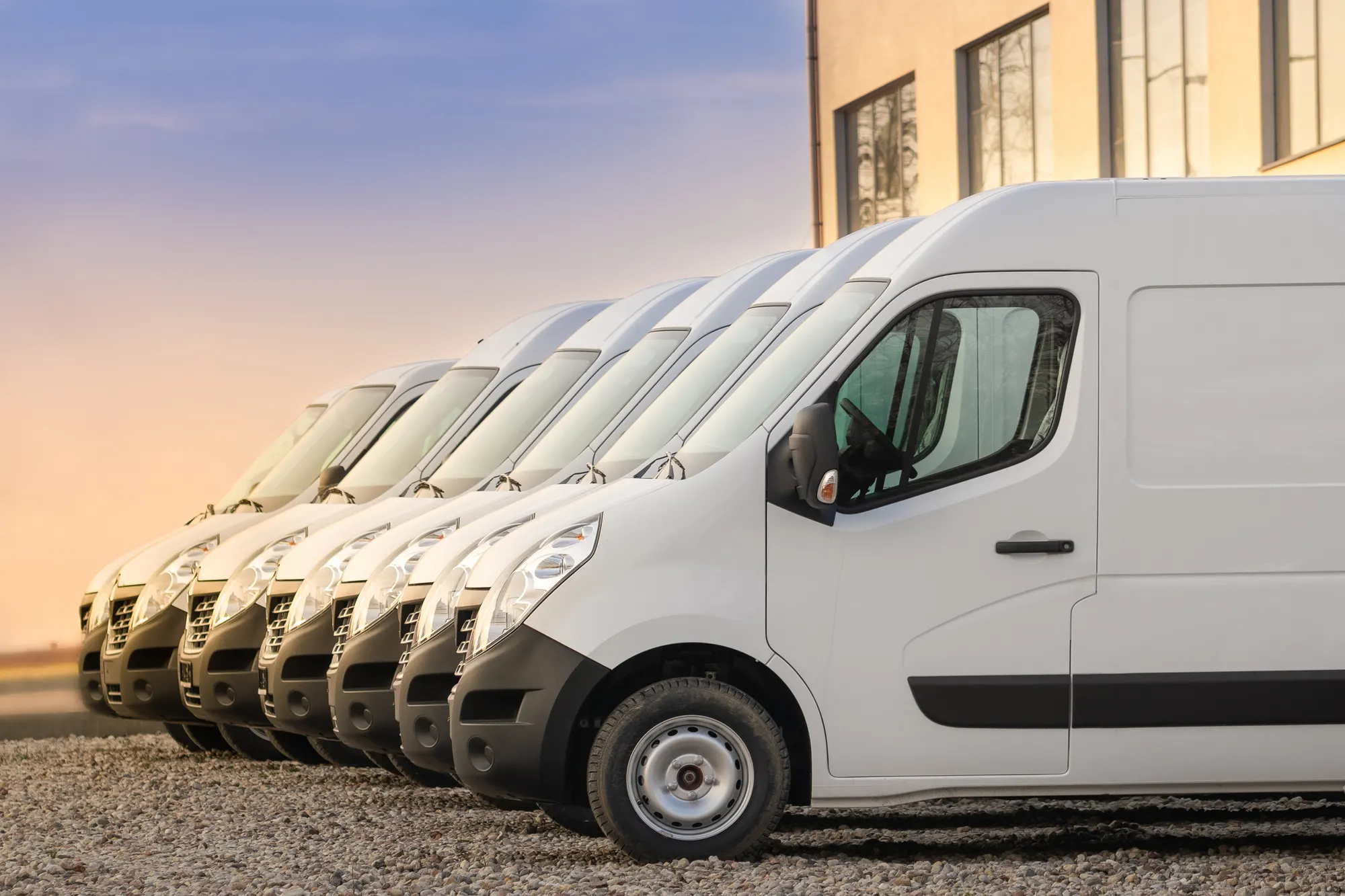
Broad Asset Acceptance, Built for How You Earn
From rideshare to repairable write-offs, we fund the vehicles other lenders won't touch, anywhere in Australia.
- Rideshare & taxi. Vehicles used for Uber, DiDi, taxi and other point-to-point passenger work are fully accepted. That income stream pays the loan.
- Delivery & gig work. Uber Eats, DoorDash, parcel and food delivery vehicles are welcome. A good fit if you're building your own gig-economy business.
- Repairable write-offs accepted. Previously written-off vehicles are accepted, provided they are repaired, inspected and currently registered for road use.
- Private & dealer sales. We fund purchases from licensed dealers and private sellers alike, so you're free to buy the right vehicle at the right price.
- Australia-wide, no restrictions. Metro, regional or remote, there are no location restrictions. If you and the vehicle are in Australia, we can fund the deal.
- Vehicles up to 20 years old at term end. We accept older vehicles too, as long as the vehicle will be no more than 20 years old at the end of the loan term.
- Other income-generating assets. Beyond vehicles, we also consider other revenue-producing assets on their merits, such as excavators, food trailers and similar working equipment.
- Excluded: performance vehicles. High-performance and prestige sports vehicles are not accepted. Every asset we fund must be genuinely income-generating for the business.
What Does It Cost?
Vehicle finance generally prices better than unsecured lending, because the vehicle secures the loan. Your rate depends on the vehicle's age and type, your business's trading history, your credit profile, and whether you include a deposit or a balloon.
Look at total cost, not just the repayment
A lower monthly figure driven by a larger balloon or a longer term can cost more over the life of the loan. We'll show you both numbers side by side so you can decide with the full picture.
Fees
Expect an establishment fee and possibly a monthly account fee. We'll set every cost out in writing before you commit.

Check what your business can borrow
Finance vs Renting at $300 a Week, Over 24 Months
Over 24 months
Vehicle loan
- Weekly
- $358
- Total paid
- $37,200
- Vehicle at the end
- You own it
Over 24 months
Vehicle rental
- Weekly
- $300
- Total paid
- $31,200
- Vehicle at the end
- You own nothing
Better off with finance by about $14,000, and you own the vehicle.
"Better off" compares the total rental outlay against the total loan repayments, less the value of the financed vehicle you keep at the end of the term (before depreciation, running costs and fees). Illustrative only, not financial advice.
Low, Mid or Full Doc: What You'll Need
Low Doc Checklist
- 1 form of ID (driver's licence or passport)
- Assets and liabilities
- Credit reference or mortgage statements for $100K+
Mid Doc Checklist
- 6 months bank statements
- ATO portals for $250K+
Guidelines to help you pre-qualify before submission: no dishonoured payments for financial obligations (e.g. loan or lease repayments), a maximum of 1 non-financial dishonour, average monthly revenue of $20,000 across the 6-month period, and an average running balance of at least 10% of monthly revenue.
Full Doc Checklist
- FY2024 + FY2023 accountant-prepared financials
- Commitment schedule
- ATO portals for $250K+
- Detailed business background + list of major clients

Are You Eligible?
- An active ABN, with newer ABNs considered depending on the vehicle and your position
- The vehicle used predominantly for business purposes
- Evidence the business can meet the repayments
- A personal guarantee from a director
If your business is newer, a deposit, property ownership or a strong track record in your industry can all help. Low doc options are available for established businesses whose financials aren't up to date.
What You Need to Apply
- About the vehicle. A quote or tax invoice from the dealer, including make, model, year and price.
- About the business. Your ABN and bank statements or financials depending on the amount and the lender.
- About you. Identification and director details. For larger or fleet purchases, lenders may ask for a little more.
Visa Holders Welcome
Accepted
Some of our panel lenders accept all visa types, with only three exceptions.
- Student visa
- Skilled worker visa
- Partner visa
- Graduate visa
- Bridging visa
- All other visas
Not Accepted
- Visitor visa
- Working holiday visa
- Refugee visa
From Enquiry to Keys

Day one
Tell us the vehicle, the price and how you'd like to structure repayments. We'll give you a clear view of your options.
Same or next day
We shortlist suitable lenders and come back with repayments and total costs, with and without a balloon.
On approval
The lender prepares the documents and pays the dealer directly.
Delivery
You collect the keys. For straightforward applications, the whole process can take just a few days.
When Vehicle Finance Isn't the Right Fit
We'd rather point you to the right product than the nearest one:
- You're buying an older vehicle or from a private seller. Used Equipment and Vehicle Finance is built for that, including the inspection and PPSR side.
- The vehicle is mainly for personal use. Business vehicle loans finance needs a genuine business purpose, and a personal car loan is a different product.
- You're buying earthmoving or construction machinery. Yellow Goods Finance has specialist lenders and seasonal repayment options.
- You'd need a large balloon just to make repayments fit. That's worth a frank conversation about whether a cheaper vehicle or a longer term suits you better.
- You need general working capital rather than a vehicle. Look at a Business Line of Credit or Unsecured Business Loans.
Rates and lender policies current as of .
Excellent a experience with Unitree Finance for our asset finance requirements. The team was responsive, helpful and kept us updated throughout the process. We were able to arrange finance for the equipment our business needed without unnecessary delays.
Do I need a deposit?
Often not. Many lenders will finance the full purchase price, and some will include on-road costs. A deposit can help if your business is newer or your credit history is mixed, and it usually lowers your rate.
What's a balloon payment, and should I have one?
A balloon is a lump sum due at the end of the term that lowers your regular repayments. It suits businesses that plan to trade in or sell the vehicle when the term ends. The key is having a realistic plan for paying it, rather than setting it as high as possible.
Chattel mortgage or lease?
With a chattel mortgage, you own the vehicle from day one. With a lease, the lender owns it, and you pay to use it. Each treats GST and depreciation differently, so your accountant's input matters here. We're happy to work through the options with them.
Can I finance a vehicle for an employee?
Yes, if the business is buying the vehicle for business use. Novated leases, where an employee leases a car through their salary, are a separate arrangement and not what this page covers.
Can I finance several vehicles at once?
Yes. Fleet purchases are common, and some lenders offer facilities that let you add vehicles over time without a full application each time. Tell us about your plans, and we'll look at the best way to structure it.
Are there limits on luxury vehicles?
Lenders will finance them, but tax depreciation on cars above the luxury car limit is capped. The limit changes each financial year, so check the current figure with your accountant before you buy.
What is the difference between a secured and unsecured car loan?
A secured loan is backed by collateral, such as the car you're purchasing. This means if you can't make repayments, the lender can repossess and sell the car to recover the loan balance. Because this reduces the lender's risk, secured loans often come with lower interest rates. However, these loans typically have restrictions, such as maximum vehicle age. Lower rates are often available for newer cars.
In contrast, an unsecured loan involves more risk for the lender since there's no collateral to claim if you default. As a result, interest rates for unsecured loans are generally higher. The upside is greater flexibility, as these loans usually have fewer restrictions on how funds are used and may allow the borrower to cover various expenses like insurance, registration, or new tyres. You should check your loan for any terms and conditions to understand any restrictions or requirements.
What information do you need to supply to settle a car loan?
If you are buying a car from a dealership
- Vehicle sales invoice: our friendly sales team can request this for you.
- Car insurance: proof of comprehensive insurance.
If you are buying a car through a private sale
- Private sales invoice: a contract between you and the seller that ensures we have the correct finance details.
- Third-party self-administered inspection report: to confirm the vehicle's condition and ensure funds are sent to the correct bank account. This is at no extra cost to you or the seller.
- Car insurance: proof of comprehensive insurance.
If you are looking to refinance your car
- Payout letter: provide us with a future-dated payout letter to ensure the correct funds are sent.
- Car insurance: proof of comprehensive insurance.
Providing these documents quickly will help expedite your loan application. After this information is provided, we can settle a loan in as little as 2 hours, and the funds can be transferred in as little as two business days.
Related finance
- Asset Finance Used Equipment and Vehicle Finance Dealer, Private Sale or Auction
- Asset Finance Yellow Goods Finance Earthmoving and Construction Equipment
- Business Finance Business Line of Credit Draw What You Need, Pay for What You Use
- Industry Transport and Logistics Finance Keep the Fleet Moving
- Industry Development and Construction Finance For Builders, Trades and Developers
