
Business Finance
Business Loans for Transport and Logistics Operators
Fuel, Wages and Cash Flow
- Access to 110+ lenders
- Transport-friendly lenders
- Invoice finance for slow payers
Rates and lender policies current as of .
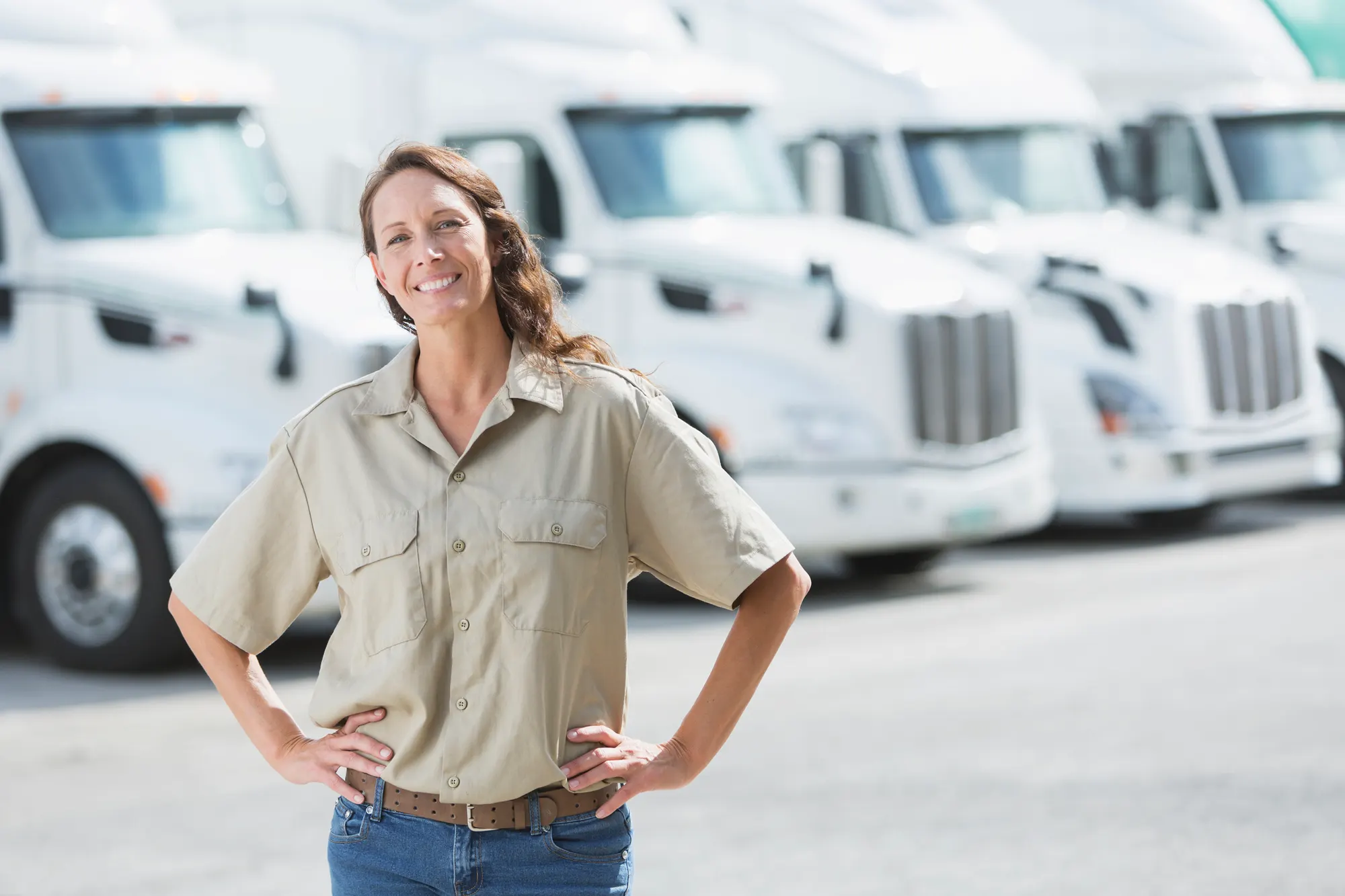
Transport is a cash-hungry business. Fuel, tolls, wages and repairs are paid this week, and the customer pays in 30, 60 or sometimes 90 days. One breakdown or one slow payer and a profitable operation is suddenly scrambling.
Unitree Finance works with lenders across a panel of more than 110 who understand how transport trades. We'll help you put funding in place for the running costs, the unexpected bills and the gap between doing the work and getting paid for it.
Our credentials
- 15+ years experience
- 110+ lenders on our panel
- FBAA member broker
What These Loans Cover
This page is about funding the business rather than the vehicles: fuel and tolls, wages, registration and insurance renewals, repairs you didn't plan for, tax bills, and the working capital a new contract needs before the first invoice is paid.
If you're buying trucks, trailers or forklifts, that's asset finance, and it's cheaper because the vehicle secures it. Our Transport and Logistics Finance page covers the fleet side, including balloons and used vehicles.
Owner Driver, Small Fleet or Large Operator
| Owner driver | Small fleet, roughly 2 to 10 vehicles | Larger operator | |
|---|---|---|---|
| Usual pressure point | Fuel and one slow customer | Wages and maintenance across the fleet | Contract ramp-ups and large payroll |
| What lenders look at first | Bank statements and driving history | Trading figures and customer spread | Financials, contracts and debtor quality |
| Typical facility | Small unsecured loan or overdraft | Line of credit, sometimes invoice finance | Invoice finance or a larger secured facility |
| Security usually needed | Often none, a guarantee instead | Varies, property helps | Receivables, sometimes property |
| Biggest risk to watch | Relying on one customer | Growing faster than the cash allows | Thin margins on a big contract |
Wherever you sit, the pattern is the same: the cost comes first and the payment comes later. The right facility is the one that covers that gap without locking up the money you need for the next job.
What Can You Use It For?
- Fuel, tolls and daily running costs
- Wages and subcontractor payments
- Registration, insurance and compliance renewals
- Unplanned repairs and breakdowns
- Working capital to start a new contract
- ATO debt from a tight quarter
What Does It Cost?
Rates start from 7.95% p.a. and depend on the product, the security and how the business is trading. A line of credit or overdraft charges interest only on what you draw, which usually beats a term loan when the need's timing rather than a purchase.
Invoice finance is priced differently. Instead of an interest rate on a loan, you're paying a fee to access money you've already earned. For operators with good commercial customers on long terms, it's often the cheapest way to stay liquid, and the facility grows as your invoicing grows.
Watch the quick money. Short-term lenders market heavily to transport operators, and repayments taken daily or weekly can cost far more than the headline suggests. We'll compare them with a proper facility so you can see the difference.
Fees. Expect an establishment fee, and on revolving facilities a line or account fee. Every cost goes in writing before you commit.

Check what your business can borrow

Are You Eligible?
- An active ABN and GST registration, depending on the lender
- Six to twelve months of trading for most unsecured facilities
- Bank statements showing the business can service repayments
- A personal guarantee from a director
- For invoice finance, commercial customers rather than cash jobs
Driving and operating experience counts for more here than in most sectors. An owner-driver who spent years on the road for someone else is a known quantity to a transport lender, and a signed contract strengthens almost any application.
What You Need to Apply
- For smaller facilities. Your ABN and three to six months of bank statements are often enough.
- For invoice finance. An aged receivables report showing who owes you and how long they take to pay.
- For larger amounts. Financials or BAS, plus details of your main contracts and customers.
How It Works
A short conversation
We ask what the money is for and where the cash runs out.
We match the product to the problem
Slow payers point to invoice finance, while running costs point to a revolving facility.
Lender match
We shortlist transport-friendly lenders and come back with options and costs.
Settlement
Funds are available, and we review the facility as the business grows.

When a Business Loan Isn't the Answer
- You're buying a truck. Asset finance is cheaper because the vehicle secures the loan.
- The problem is one customer who won't pay. Chase the debt or use invoice finance rather than borrowing around it.
- The rates don't cover the costs. If the work loses money per kilometre, more funding makes the hole deeper, and we'd rather say so.
- You're already repaying short-term lenders. The first step is restructuring what's there, not adding another facility.
- It's a one-off repair you can cover. Borrowing for a small, affordable cost often isn't worth the fees.
Rates and lender policies current as of .
Unitree Finance delivered when it mattered most. I needed urgent funds to manage a last-minute project, and within 12 hours, I had an unsecured loan approved with favorable terms...
Can I get a business loan as an owner-driver?
Often, yes. Smaller unsecured facilities are available to sole traders with an ABN and a few months of trading. Lenders will look closely at your bank statements and who your customers are.
How do I cover fuel while waiting on invoices?
A line of credit or overdraft gives you a buffer you can draw on and repay as money lands, and invoice finance releases the cash tied up in unpaid invoices. Plenty of operators use both.
Can I borrow if my bank declined me for being in transport?
Yes, and it's one of the more common reasons people call us. Blanket bank restrictions reflect a view of the sector, not your business. Specialist lenders assess you on your own trading.
Can I use a loan to pay the ATO?
Yes. It's a common and usually cheaper option than letting the debt run, and it keeps you in better standing. Our ATO Tax Debt Loans page explains the details.
Will one slow customer stop me getting finance?
Not on its own. Lenders look at the spread of your customers, so heavy reliance on a single payer is a bigger concern than one late invoice. We'll explain how your book reads to a lender.
Do I need property to borrow?
No. Plenty of transport facilities are unsecured, though offering property can improve pricing and the amount available. We'll show you both so the trade-off is clear.
Related finance
- Business Finance Debtor and Invoice Finance Get Paid Without Waiting
- Asset Finance Business Vehicle Finance Cars, Utes, Vans and Trucks
- Business Finance Business Line of Credit Draw What You Need, Pay for What You Use
- Industry Transport and Logistics Finance Keep the Fleet Moving
- Industry Manufacturing Finance Machinery, Materials and Working Capital
