
Business Finance
Business Loans for Manufacturers
Working Capital, Materials and Order Funding
- Access to 110+ lenders
- Lenders comfortable with manufacturing
- Trade finance for overseas suppliers
Rates and lender policies current as of .

Manufacturing ties up cash longer than almost any other business. You buy materials, pay wages through the production run, hold finished goods until they ship, then wait out the customer's payment terms. A big order's good news that costs money upfront.
Unitree Finance works with lenders across a panel of more than 110, including specialists who understand production cycles and supplier terms. We'll help you fund the materials, the wages and the gap between making the product and getting paid for it.
Our credentials
- 15+ years experience
- 110+ lenders on our panel
- FBAA member broker
What These Loans Cover
This page is about funding production rather than the factory floor: raw materials, imported components, supplier deposits, wages through a long build, tooling for a new line, and the receivables sitting on your books once the goods have shipped.
If you're buying machinery, our Manufacturing Finance page covers plant and equipment, which is usually cheaper to fund because the machine itself provides the security.
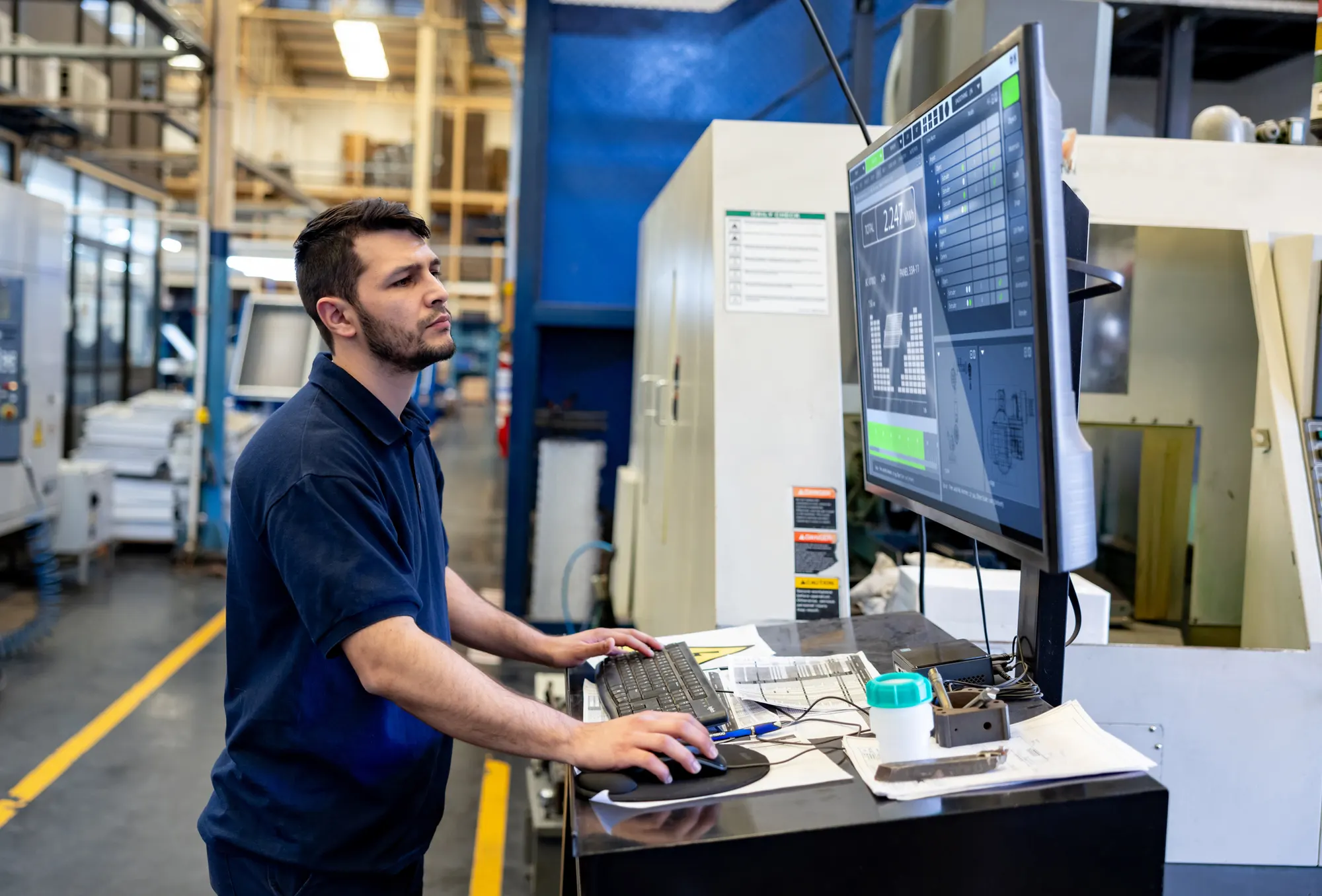
Where the Cash Goes in a Production Cycle
| Stage | What's happening to your cash | What can fund it |
|---|---|---|
| Order confirmed | Nothing in yet, and a deposit may be due to suppliers | Trade finance or a line of credit |
| Materials bought | Large outflow, often before production starts | Trade finance, supplier terms, line of credit |
| Production run | Wages, power and overheads with no revenue attached | Line of credit or overdraft |
| Finished goods in storage | Cash sitting on shelves as stock | Line of credit, or stock funding where available |
| Goods shipped and invoiced | Earned, but not paid | Invoice finance |
| Customer pays, 30 to 90 days later | Cash finally returns | Facility repaid, ready for the next order |
The longer your cycle runs, the more working capital the business needs just to stand still. Growth makes it worse before it makes it better, and that's why profitable manufacturers still run out of cash.
What Can You Use It For?
- Raw materials and imported components
- Supplier deposits, including overseas suppliers
- Wages and overheads through a long production run
- Tooling, moulds and jigs for a new product line
- Taking on an order larger than your usual run
- Bridging customers on 30 to 90 day terms
What Does It Cost?
Rates start from 7.95% p.a. and move with the product, the security and your trading history. Working capital lending's priced on the business rather than an asset, so financials and consistency matter more here than they do with equipment finance.
Trade finance is worth understanding. Rather than a lump sum, it pays your suppliers and gives you a set period before repayment falls due, which lines up neatly with a production cycle. Our Trade Finance page explains how it works with overseas suppliers and letters of credit.
Invoice finance grows with you. The cost is a fee against invoices you've already issued, and the facility scales as your sales do. For manufacturers with solid commercial customers, it's often the most natural fit.
Fees. Expect an establishment fee, and on revolving facilities a line or account fee. Every cost goes in writing before you commit.

Check what your business can borrow

Are You Eligible?
- An active ABN and GST registration, depending on the lender
- Twelve months of trading for most working capital facilities
- Financials or BAS showing the business can service repayments
- A personal guarantee from a director
- For invoice finance, commercial customers and clean invoicing records
Order books and contracts help a lot. A lender funding a production run wants to see where the repayment's coming from, so signed orders, repeat customers and a clear sales pipeline all strengthen the application.
What You Need to Apply
- About the business. Your ABN, bank statements, and financials or BAS depending on the amount.
- About the orders. Purchase orders or contracts for the work you're funding, and supplier quotes or invoices.
- About your debtors. An aged receivables report, which matters most for invoice finance.
How It Works
A short conversation
We map your cycle: how long materials, production and payment terms take.
We match funding to each stage
Materials, production and receivables often suit different facilities.
Lender match
We shortlist lenders comfortable with manufacturing and come back with options and costs.
Settlement
Funds are available, and we revisit the structure as order volumes change.

When a Business Loan Isn't the Answer
- You're buying a machine. Equipment finance is cheaper, because the machine secures it.
- The order is priced too thin. If a large contract barely covers its own costs, funding it just scales the problem.
- Your customer is the real risk. Funding a big run for a shaky buyer puts the whole business behind one invoice.
- Stock keeps growing without selling. More materials funding won't help if finished goods aren't moving.
- You're already juggling short-term debt. Restructuring comes first, then new funding.
Rates and lender policies current as of .
We urgently needed $80,000 to cover upcoming payroll and keep operations smooth. Within just 12 hours, the funds were in our account...
Can I get funding to pay overseas suppliers?
Yes. Trade finance is built for it, covering supplier payments and giving you time before repayment is due. It works alongside your other facilities rather than replacing them.
Can I fund a single large order?
Often, yes. Lenders will want to see the purchase order, your margin on the job and who the customer is. The stronger the buyer, the easier the funding.
How does invoice finance work for manufacturers?
Once you've shipped and invoiced, the facility advances most of the invoice value and the balance follows when your customer pays. It suits businesses with commercial debtors on long terms.
Can I borrow against my stock?
Some lenders will consider stock as part of a wider facility, though it's less common than funding against receivables. We'll tell you straight if it's realistic for your business.
Do I need property to borrow?
No. Unsecured and receivables-backed facilities are available, though property can improve both pricing and the amount. We'll show you both options.
My bank says manufacturing is too risky. What now?
That's usually a policy decision rather than a view of your business. Specialist lenders assess your order book and trading, which often produces a different answer.
Related finance
- Business Finance Trade Finance Fund the Gap Between Paying and Being Paid
- Business Finance Debtor and Invoice Finance Get Paid Without Waiting
- Business Finance Business Line of Credit Draw What You Need, Pay for What You Use
- Industry Manufacturing Finance Machinery, Materials and Working Capital
- Industry Transport and Logistics Finance Keep the Fleet Moving
