
Industry Specific Finance
Transport and Logistics Finance Australia-Wide
Keep the Fleet Moving
- Access to 110+ lenders
- Specialist transport lenders
- Owner-drivers to full fleets
Rates and lender policies current as of .

In transport, the money goes out long before it comes back. Fuel, tolls, tyres and wages are paid this week. The customer pays in 30, 60 or sometimes 90 days. And somewhere in between, a truck needs replacing, or a new contract needs another prime mover.
Unitree Finance works with lenders across a panel of more than 110 who understand the transport industry, from owner-drivers with one truck to operators running full fleets. We'll help you finance the vehicles and smooth out the cash flow gaps that come with the job.
- 15+ years experience
- 110+ lenders on our panel
- FBAA member broker
At a Glance
-
Trucks and trailers
Business Vehicle Finance, new or demo
-
Older or privately sold vehicles
-
Customers on long payment terms
-
Fuel, tolls and running costs
-
Depot or yard
-
Tax debt from a tight year
Why Transport Needs a Specialist Approach
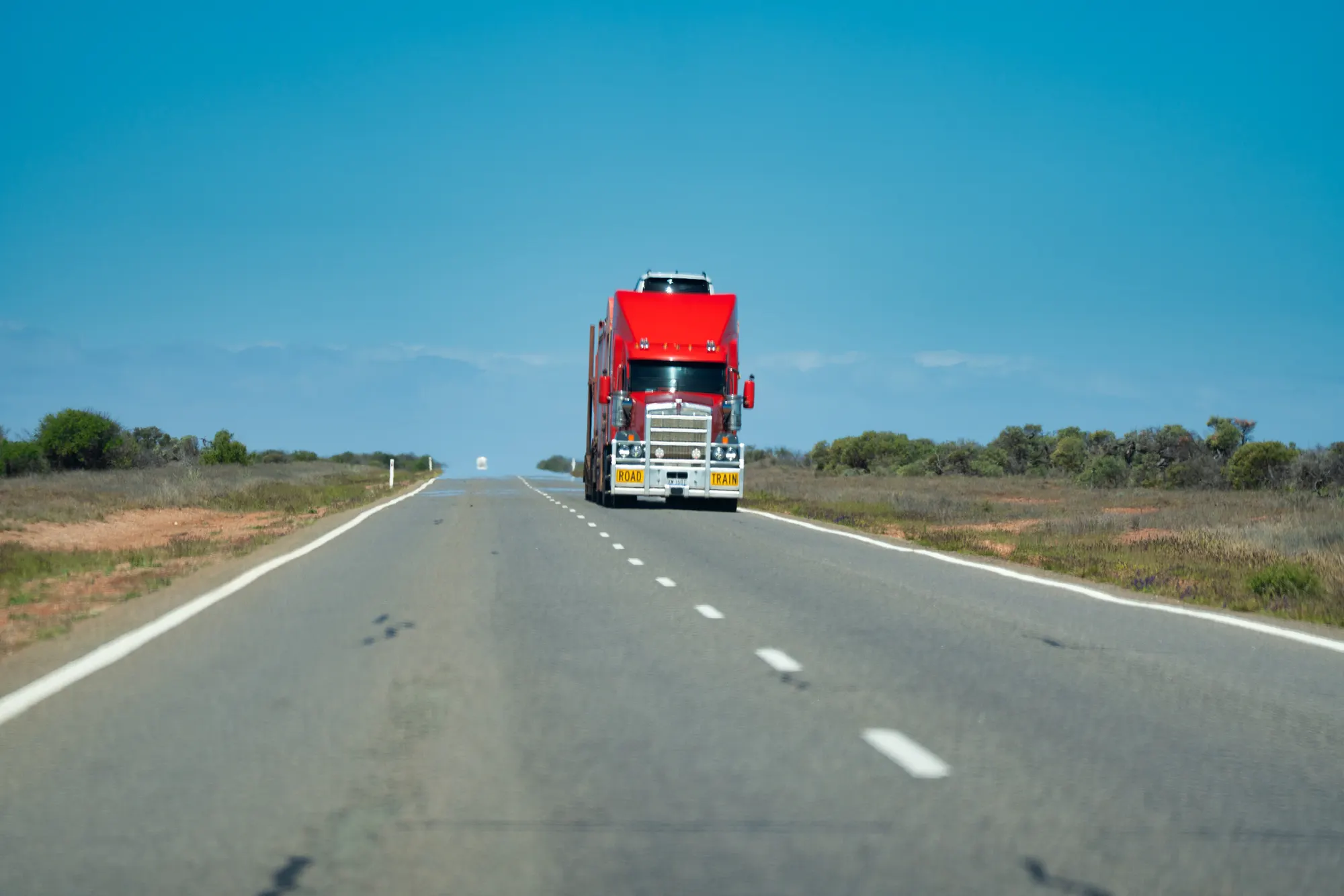
Plenty of lenders see transport as higher risk. Margins can be thin, fuel prices move, and a single lost contract can change a business overnight. Some banks respond by tightening criteria across the whole sector.
Specialist transport lenders look past that. They understand the vehicles and their resale value; they know how freight contracts work, and they can see the difference between a well-run operation and a struggling one. That's why who you apply to matters as much as what you apply for, and it's where we can help most.
Matching Transport Costs to the Right Finance
| The cost | The pressure it creates | The finance that fits |
|---|---|---|
| New prime mover or rigid | Large upfront outlay | Asset finance, often with a balloon |
| Fleet expansion for a new contract | Several vehicles at once | Asset finance, ideally with the contract in hand |
| Customers paying in 30 to 90 days | Wages and fuel paid before revenue arrives | Invoice finance |
| Weekly fuel and tolls | Constant, unpredictable outgoings | Line of credit or overdraft |
| Registration and insurance renewals | Large annual lump sums | Short-term working capital |
| Owning the depot | Rent that never builds equity | Commercial property loan |
Most transport businesses need two or three of these at once. Structuring them together, rather than stretching one facility to cover everything, usually costs less and puts less strain on cash flow.
What We Can Help You Fund
-
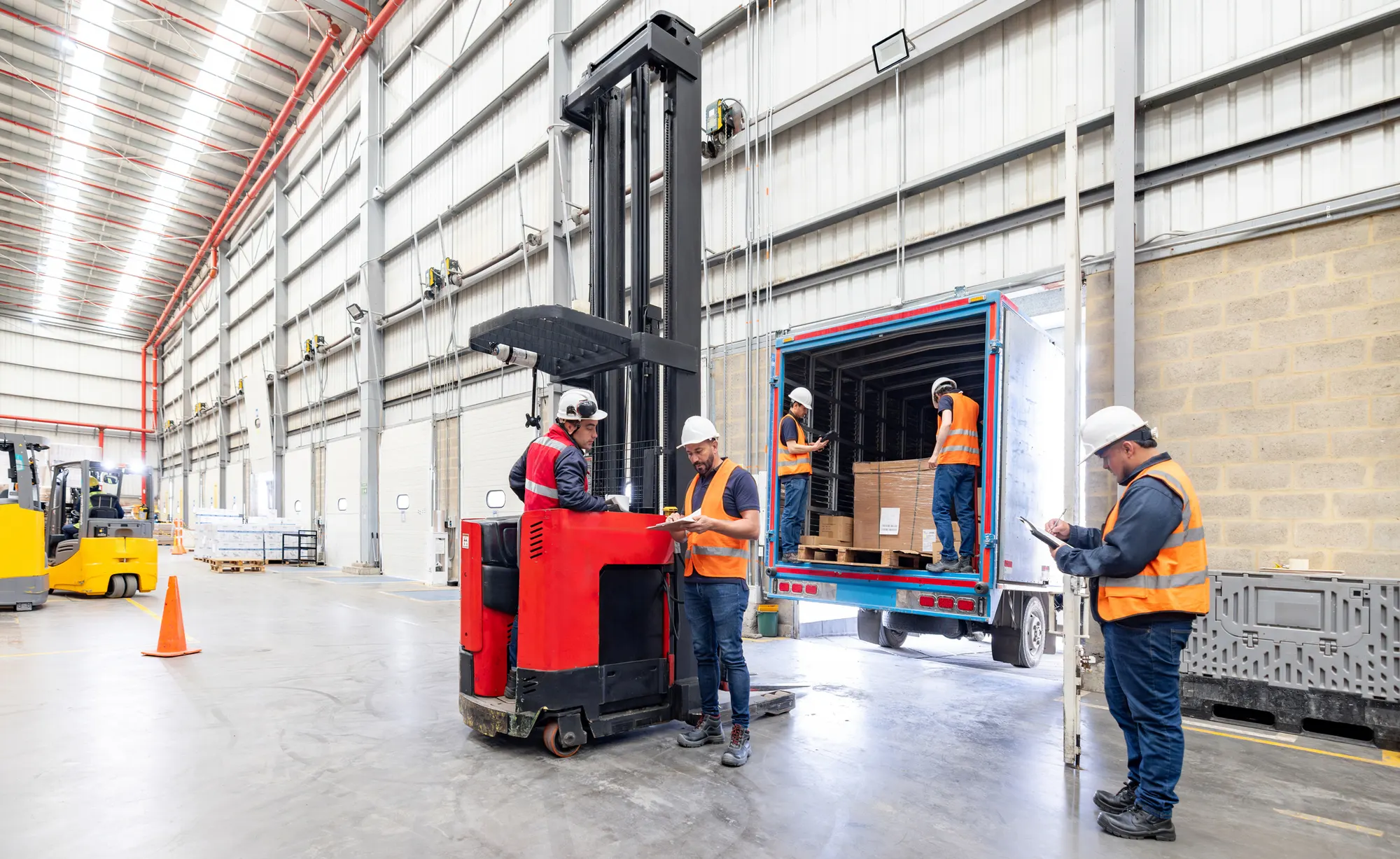
Prime movers, rigid trucks, light trucks and vans
-
Trailers, tankers, refrigerated units and specialised bodies
-
Forklifts and warehouse equipment
-
Working capital for fuel, tolls and payroll
-
Invoice funding for customers on long terms
-
Depots, yards and warehouses

What Does It Cost?
Costs depend on the product. Vehicle finance is secured against the truck, so it usually prices well, particularly for well-known makes with strong resale value. Invoice finance and working capital facilities are priced differently again. What they all share is that a specialist lender who understands transport will generally price your business more fairly than one who sees the sector as a risk.
-
Balloons are common on trucks
They keep repayments manageable while the vehicle earns, but you'll want a plan for the final payment, whether that's trading in, selling or refinancing. The Business Vehicle Finance page has a worked example.
-
Fees
Expect establishment fees and, on some facilities, ongoing account fees. We'll set every cost out in writing before you commit.

Are You Eligible?
- An active ABN, with newer operators considered depending on experience and the vehicle
- Evidence the business can meet repayments
- A personal guarantee from a director
- Contracts or a customer base that supports the purchase, particularly for fleet expansion
Driving experience counts, and it's something specialist lenders genuinely weigh. An owner-driver setting up after years behind the wheel for someone else is a very different prospect from a newcomer. A signed contract can carry a lot of weight too.
What You Need to Apply
-
For vehicles
A quote or invoice with make, model, year and price, plus kilometres and VIN for used vehicles.
-
For working capital or invoice finance
Bank statements and an aged receivables report showing who owes you and how long they take to pay.
-
About the business
Your ABN and financials or BAS, depending on the amount. Freight contracts help, especially for larger purchases.
How We Work With Transport Businesses

-
First conversation
We look at the whole operation: vehicles, contracts, customers and where the cash gets tight.
-
Structure
We suggest the mix of finance that fits, rather than squeezing everything into one product.
-
Lender match
We shortlist transport specialists and come back with options and costs.
-
Ongoing
Fleets grow, and contracts change. Once we know your business, adding the next truck or facility is quicker every time.
Common Pitfalls in Transport Finance
-
Financing a truck for a contract that isn't signed
If the work falls through, the repayments don't. Get the contract first, or build in room.
-
Running fuel and wages on a credit card
It works for a week or two and costs a lot more than a proper facility.
-
Setting a large balloon without an exit plan
It's easy to forget until it's due.
-
Letting slow payers set your cash flow
Invoice Finance can release that money rather than waiting it out.
-
Letting ATO obligations slide in a tight quarter
It's more common than you'd think, and it gets harder to fix the longer it runs. ATO Tax Debt Loans can help.
Can I get truck finance as a new owner-driver?
Often, yes. Specialist lenders look closely at your driving experience and any contracts you've lined up. A deposit or property ownership can strengthen the application, but plenty of owner-drivers get started without either.
Can you finance used trucks?
Yes. Used trucks are financed all the time, with lenders looking at age, kilometres and condition. The truck's age at the end of the loan usually shapes the term. Our Used Equipment and Vehicle Finance page has more detail.
How can I cover fuel costs while I wait for customers to pay?
Invoice finance releases the money tied up in unpaid invoices, and a line of credit gives you a buffer for ongoing costs. Many transport businesses use both. We'll help you work out which suits your pattern of payments.
Can I finance a whole fleet?
Yes. Some lenders offer fleet facilities that let you add vehicles over time without a full application each time. Tell us your plans and we'll look for the most efficient structure.
Do I need a contract to get finance?
Not always, but it helps, especially for expansion. A signed contract shows the lender where the repayments will come from, which can improve both your chances and your terms.
What if my bank has declined me because I'm in transport?
It happens often, and it usually reflects the bank's view of the sector rather than your business. Specialist transport lenders assess you on your own performance. That's where we'd start.
Related finance
- Asset Finance Business Vehicle Finance Cars, Utes, Vans and Trucks
- Business Finance Debtor and Invoice Finance Get Paid Without Waiting
- Business Finance Business Loans for Transport Operators Fuel, Wages and Cash Flow
- Industry Manufacturing Finance Machinery, Materials and Working Capital
- Industry Development and Construction Finance For Builders, Trades and Developers
