
Asset Finance
Solar Equipment Finance Australia-Wide
Panels, Inverters and Battery Storage
- Access to 110+ lenders
- Equipment and energy specialists
- Own the system from day one
Rates and lender policies current as of .
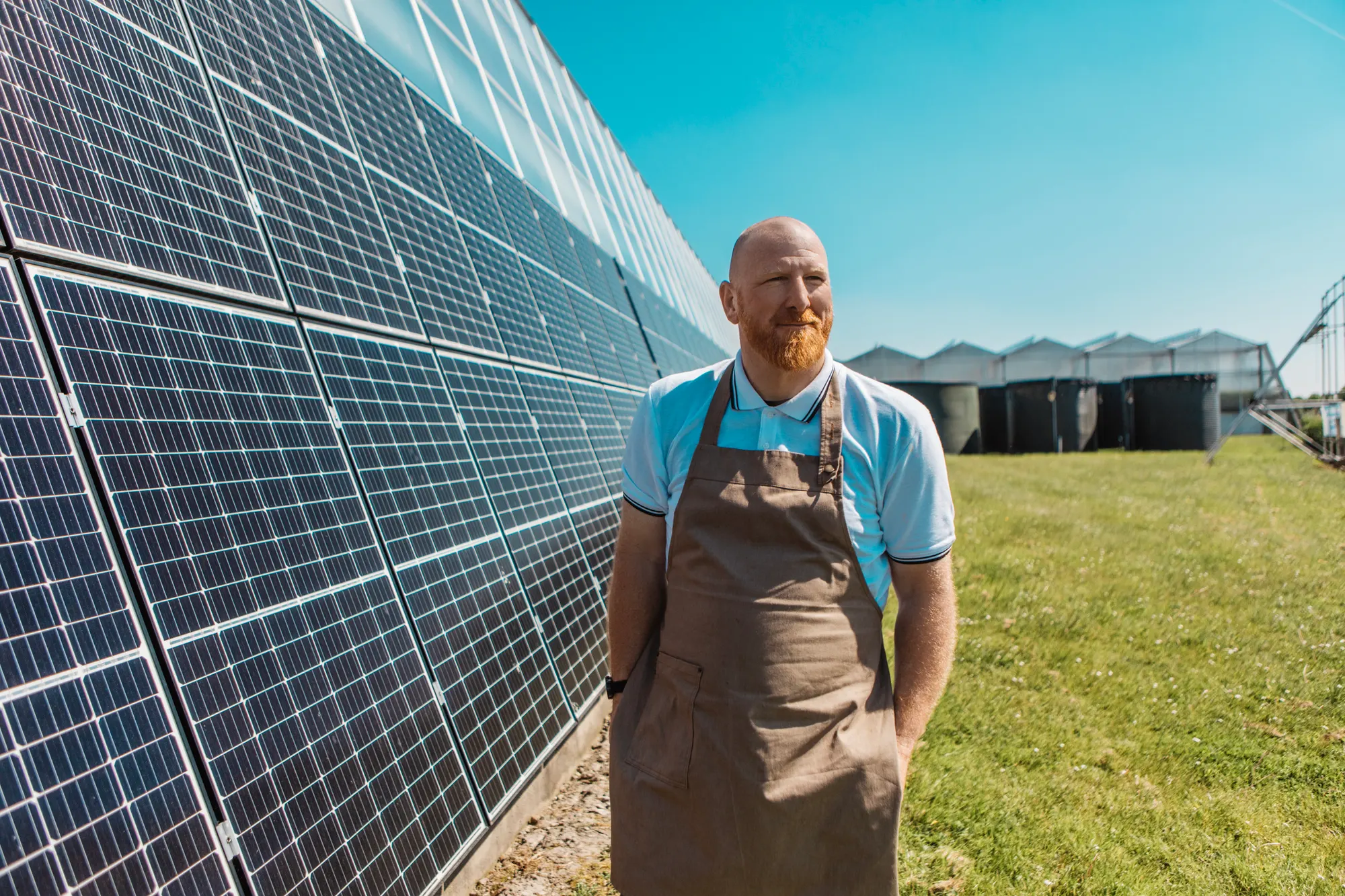
A commercial solar system pays for itself slowly, but the installer wants paying now. The savings arrive monthly on your power bill, while the quote arrives as a single five or six-figure number. That gap is why plenty of businesses sit on a good quote for a year or more.
Unitree Finance works with lenders across a panel of more than 110, including equipment and energy specialists. We'll help you fund the panels, inverters and battery storage over a term that lets the savings do the heavy lifting, so your working capital stays where it is.
Our credentials
- 15+ years experience
- 110+ lenders on our panel
- FBAA member broker
- What it funds
- Panels, inverters, mounting, battery storage, EV chargers
- Common structures
- Chattel mortgage, equipment lease or rental
- Security
- Usually the system, sometimes supported by other assets
- Typical terms
- Three to seven years
- Deposit
- Often none, depending on the lender and your trading history
- Who it suits
- ABN holders who own their premises or hold a long lease
What Is Solar Equipment Finance?
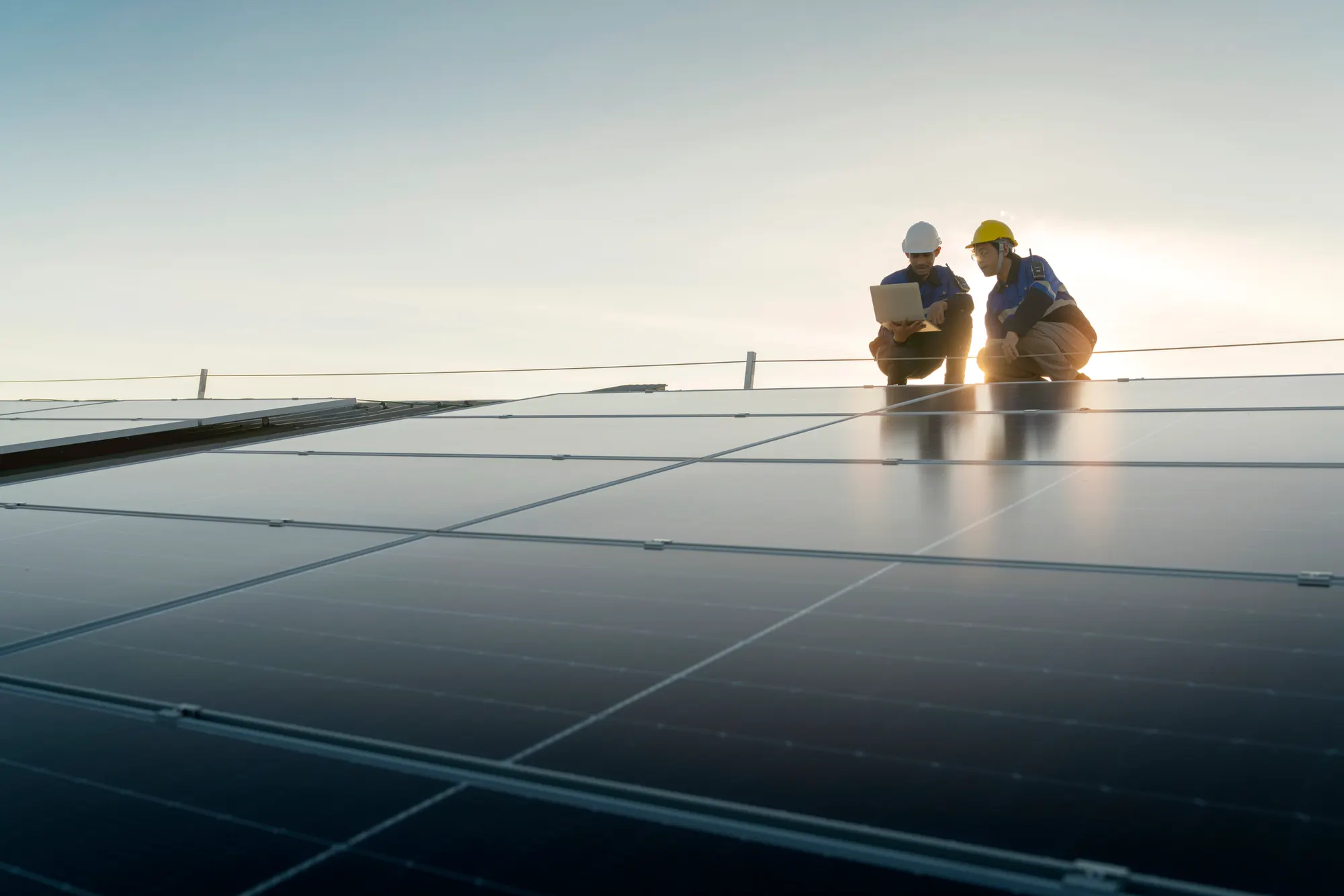
It's equipment finance applied to a solar installation. Rather than paying the installer in full, you borrow against the system and repay it over a set term, usually at a fixed rate. Under a chattel mortgage, you own the system from day one, which is what most businesses want.
The appeal is simple. A well-sized system cuts your power bill every month, and if the repayment sits below that saving, the system funds itself from the first bill. Our Asset and Equipment Finance page covers how these facilities work in general.
Why Lenders Treat Solar Differently From Other Equipment
A forklift can be repossessed and resold. A solar array bolted to your roof can't, at least not easily or for much. Once it's installed, it becomes part of the building, so lenders can't rely on resale value the way they do with vehicles or machinery.
That changes who will fund it and on what terms. Some lenders are comfortable with solar and assess it on your trading strength, while others treat it closer to a fit-out. If you lease your premises, expect questions about the lease, since lenders want it to run beyond the loan term and your landlord will need to agree to the installation.
Three Ways to Pay for a Solar System
Chattel mortgage
- Who owns the system
- You do, from day one
- What you pay
- Fixed repayments on the amount financed
- Upfront cost
- Often nothing
- Who claims depreciation and incentives
- You, as the owner
- Term length
- Three to seven years
- Suits
- Businesses that want to own the asset and the savings
- Watch for
- Matching the term to the system's life
Lease or rental
- Who owns the system
- The financier, until any end-of-term purchase
- What you pay
- A fixed rental payment
- Upfront cost
- Often nothing
- Who claims depreciation and incentives
- Treatment differs by structure
- Term length
- Similar, with end-of-term options
- Suits
- Businesses that prefer not to hold the asset
- Watch for
- End-of-term costs and conditions
Power purchase agreement
- Who owns the system
- The provider, for the life of the agreement
- What you pay
- A rate per unit of electricity the system generates
- Upfront cost
- Usually nothing
- Who claims depreciation and incentives
- The provider
- Term length
- Commonly much longer
- Suits
- Businesses wanting no finance at all
- Watch for
- Rate rises over a long term, and no ownership at the end
Installers sometimes present all three as the same deal with different paperwork. They aren't. Over a long agreement, buying your power back can cost considerably more than owning the system. We'll run the comparison before you sign anything.
What Can You Use It For?
- Rooftop and ground-mounted solar systems
- Inverter upgrades and replacements
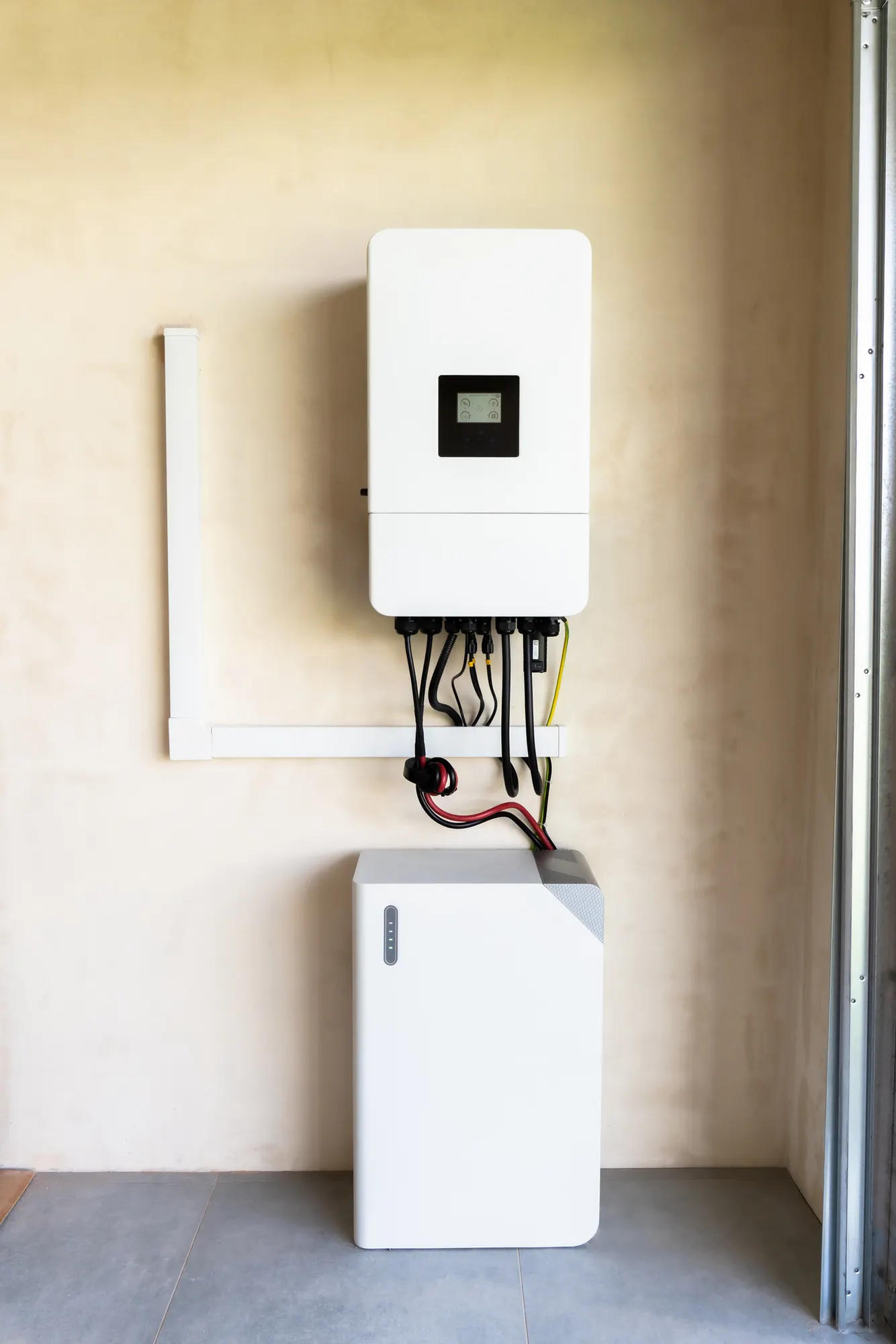
- Battery storage, new or added to an existing system
- EV chargers, smart meters and monitoring
- Expanding a system that's already undersized for your load
- Solar as part of a wider equipment purchase
What Does It Cost?
Pricing depends on the structure, the term, your trading history and how the lender views the security. Solar generally prices better than an unsecured business loan, though not as sharply as a vehicle or a machine with a clear resale market.
The number that matters is the comparison
Put the monthly repayment next to the saving on your power bill. If the saving is larger, the system improves your cash flow from the start. If it's close, a longer term may tip it, as long as the term still suits the equipment's life.
Rebates and certificates
Most installers apply the small-scale certificate discount to your quote, so the amount you finance is already net of it. Check which incentives each quote includes, because they aren't always counted the same way.
Fees
Expect an establishment fee and, on some facilities, a monthly account fee. We'll set every cost out in writing before you commit.
Check what your business can borrow
Are You Eligible?
- An active ABN and GST registration, depending on the lender
- Evidence the business can meet the repayments
- A personal guarantee from a director
- Ownership of the premises, or a lease that runs comfortably beyond the loan term
- Landlord consent where the premises are leased
- A quote from an accredited installer
Property ownership helps, and so does a clear power bill history. A business with high daytime usage is an easier case to make than one that mostly runs at night, because the savings are more predictable.
What You Need to Apply
- The quote. System size in kW, panel and inverter brands, battery details if included, the installer's accreditation and the total price.
- Your power bills. Recent bills, ideally twelve months, so the saving can be sized properly.
- About the business. Your ABN, bank statements, and financials or BAS depending on the amount.
- The premises. Title details if you own them, or the lease and landlord's consent if you don't.
How It Works

Send us the quote
We look at the system, the price and your power bills together.
We check the numbers
Repayment against expected saving, so you can see whether it stacks up before you apply.
Lender match
We shortlist lenders comfortable with solar and come back with options and costs.
Settlement
The lender pays the installer, usually on completion, and your repayments begin.
When Solar Finance Doesn't Stack Up
- Your power bill is small. If the saving can't cover a sensible repayment, the system is a cost rather than an investment.
- You're on a short lease. Financing an asset you may have to leave behind rarely ends well.
- You're planning to move or sell. Check how the system and the loan would be treated first.
- The quote assumes generation your site won't achieve. Shading, roof orientation and your usage pattern all matter.
- Unrelated work is bundled into the solar quote. Roof repairs and electrical upgrades usually finance better separately.
Rates and lender policies current as of .
Excellent a experience with Unitree Finance for our asset finance requirements. The team was responsive, helpful and kept us updated throughout the process. We were able to arrange finance for the equipment our business needed without unnecessary delays.
Can I finance commercial solar with no deposit?
Often, yes. Many equipment lenders fund the full system price for established businesses. Your trading history and the system size shape what's available.
Can I include battery storage?
Yes. Batteries can be financed with a new system or added to one you already have. Model the saving carefully, because it depends on how much power you use outside daylight hours.
What term can I get?
Commonly three to seven years. A longer term lowers the repayment, which helps the comparison against your bill, but you'll pay more interest overall.
Can I claim the system on tax?
Under a chattel mortgage you own the asset, so depreciation and the GST treatment usually work in your favour. Thresholds and write-off rules change, so check with your accountant rather than relying on an installer's summary.
What if I lease my premises?
It's still possible, and it's a common situation. Lenders will want a lease that outlasts the loan and written consent from your landlord. Tell us the remaining term early, because it shapes which lenders we approach.
Is a power purchase agreement cheaper than financing?
Not usually, once you add it up over the full term. A PPA avoids finance altogether, but you're buying power rather than owning a system, and the rate can rise for years. We'll compare both so you can see the difference.
Related finance
- Asset Finance Business Vehicle Finance Cars, Utes, Vans and Trucks
- Asset Finance Used Equipment and Vehicle Finance Dealer, Private Sale or Auction
- Business Finance Unsecured Business Loans Funding Without Collateral
- Industry Manufacturing Finance Machinery, Materials and Working Capital
- Industry Medical and Healthcare Finance Fit-Outs, Equipment and Practice Funding
