
Industry Specific Finance
Manufacturing Finance Australia-Wide
Machinery, Materials and Working Capital
- Access to 110+ lenders
- Lenders who know manufacturing
- New and used machinery
Rates and lender policies current as of .

Manufacturing ties up cash at every stage. You buy the materials, run the production, carry the finished stock, and then wait for the customer to pay. Add a new machine or a big order to that cycle, and the pressure builds quickly.
Unitree Finance works with lenders across a panel of more than 110 who understand manufacturing, from small workshops to multi-line production. We'll help you fund the machinery that grows your capacity and the working capital that keeps the line running in between.
- 15+ years experience
- 110+ lenders on our panel
- FBAA member broker
At a Glance
New or upgraded machinery
Used machinery
Raw materials and imports
Customers on long terms
Day-to-day cash flow
Factory or warehouse

Why Manufacturing Needs a Specialist Approach
Manufacturers carry a lot of their value in machinery and stock rather than cash, and lenders who don't understand that can undervalue a perfectly healthy business. Specialised machinery can also be harder for a general lender to assess, so they either decline or price it cautiously.
Lenders who know manufacturing understand what your equipment is worth, how long your production cycle runs and how your customers pay. That lets them structure finance around your actual cash cycle rather than a generic template.
Capital Spend or Working Capital?
| What you need | Type of need | Finance that fits |
|---|---|---|
| A new CNC machine or production line | Capital spend | Equipment finance, secured against the machine |
| Tooling, moulds and dies | Capital spend | Equipment finance, where the lender will accept them |
| A bulk order of raw materials | Working capital | Trade finance |
| A large order you need to fulfil | Working capital | Trade finance, then invoice finance once delivered |
| Customers paying in 60 days | Working capital | Invoice finance |
| A bigger factory | Capital spend | Commercial property loan |
The general rule is to match the finance to the life of what you're buying. Long-lived machines suit longer equipment terms. Short-cycle needs like materials and receivables suit revolving or transaction-based finance. Mixing them up usually costs more than it should.
What We Can Help You Fund
-
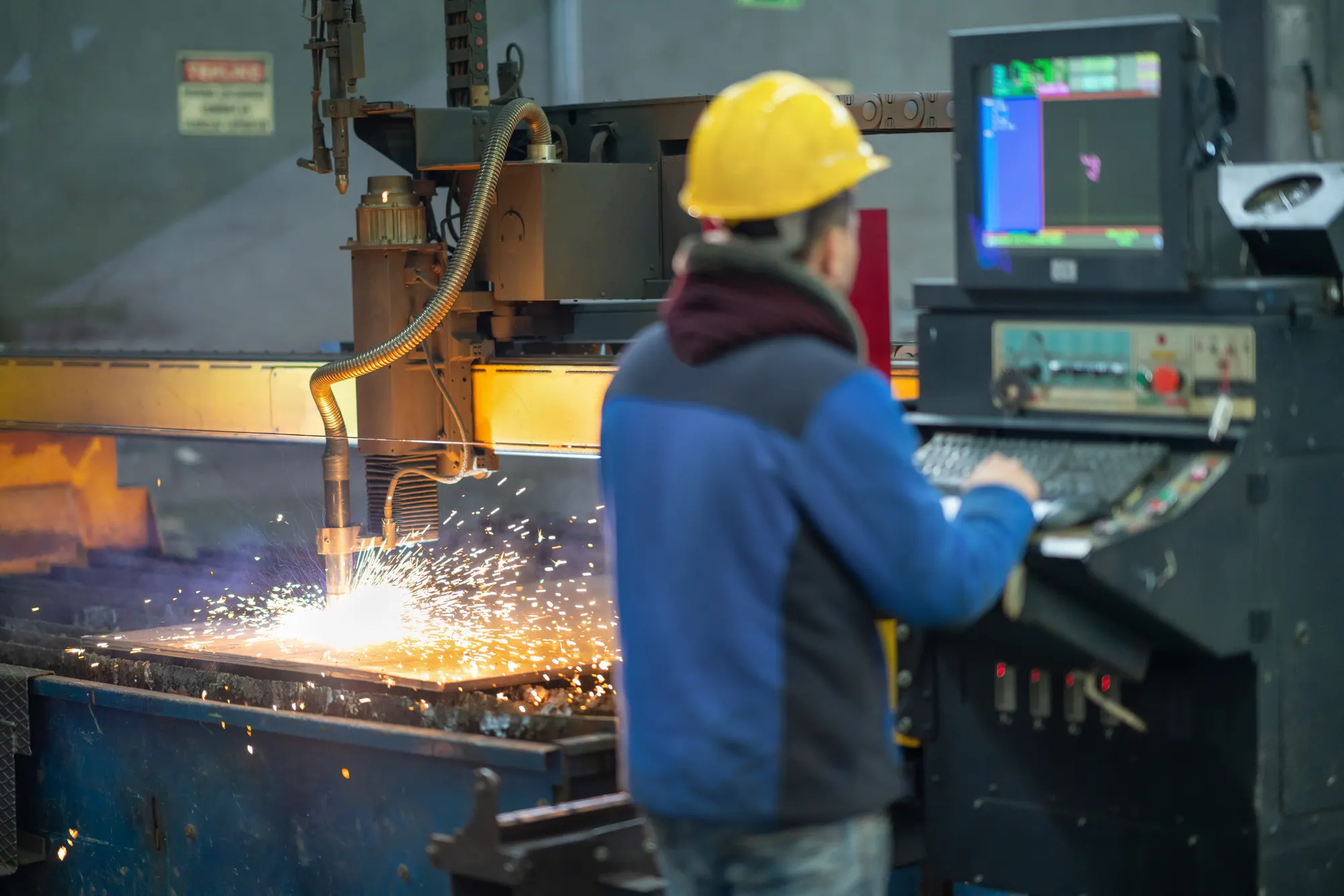
CNC machines, presses, lathes and production lines
-
Packaging, printing and finishing equipment
-
Forklifts and materials handling
-
Raw materials and imported components
-
Working capital through the production cycle
-
Factory, warehouse or workshop premises

What Does It Cost?
Costs depend on the product. Equipment finance is secured against the machine, so it usually prices well, particularly for mainstream machinery with a good resale market. Highly specialised equipment can price a little higher because it's harder to resell. Working capital facilities are priced separately again.
-
Factor in installation
Some lenders will include installation, commissioning and freight in the finance, others won't. It's worth asking upfront, because those costs can be high on larger machines.
-
Fees
Expect establishment fees on most facilities. We'll set every cost out in writing before you commit.

Are You Eligible?
- An active ABN, with newer businesses considered depending on the asset
- Evidence the business can meet repayments
- A personal guarantee from a director
- Orders, contracts or a customer base that supports the investment
A strong order book counts for a lot. If you're buying a machine to meet confirmed demand, show us the orders, and we'll make sure the lender sees them too.
What You Need to Apply
-
For machinery
A quote with make, model, specifications and price, plus installation costs if you want them included.
-
For working capital
Bank statements, an aged receivables report and details of your main suppliers and customers.
-
About the business
Your ABN and financials or BAS, depending on the amount.
How We Work With Manufacturers

-
First conversation
We look at your production cycle, your equipment plans and where cash gets tied up.
-
Structure
We separate capital spend from working capital and match each to the right product.
-
Lender match
We shortlist lenders who understand your machinery and your sector.
-
Ongoing
As capacity grows, we can add equipment or extend facilities without starting from scratch each time.
Common Pitfalls in Manufacturing Finance
-
Funding a machine from the overdraft
It strains your working capital for years and usually costs more than equipment finance.
-
Taking on a big order without funding the materials
Trade Finance exists for exactly this.
-
Forgetting installation and freight costs
Check whether they can be included before you sign.
-
Letting a slow-paying major customer dictate your cash flow
Invoice Finance can release that money sooner.
-
Financing highly specialised equipment over too long a term
If technology moves faster than the loan, you'll be paying for outdated kit.
Can you finance specialised machinery?
Yes. Some general lenders struggle with highly specialised equipment, but lenders who understand manufacturing assess it on its real value. A little more detail about the machine and how it's used helps.
Can installation costs be included?
Often, yes, depending on the lender. Installation, commissioning and freight can add up on larger machines, so it's worth asking upfront. We'll find out before you commit.
How can I fund a large order?
Trade finance can pay your suppliers for the materials, and invoice finance can release the cash once you've delivered and invoiced. Together they cover most of the cycle without draining your working capital.
Can I finance used machinery?
Yes. Used machinery is commonly financed, with lenders looking at age, condition and resale value. Our Used Equipment and Vehicle Finance page has more detail.
Can I finance tooling and moulds?
Sometimes. Tooling is often specific to one product, which makes it harder for a lender to resell, so some lenders will fund it and others won't. We'll tell you which ones will.
What if my bank doesn't understand my equipment?
That's common with specialised machinery. Lenders who focus on manufacturing are far more comfortable with it, and they'll often assess your application more fairly as a result.
Related finance
- Business Finance Business Loans for Manufacturers Working Capital, Materials and Order Funding
- Business Finance Trade Finance Fund the Gap Between Paying and Being Paid
- Asset Finance Used Equipment and Vehicle Finance Dealer, Private Sale or Auction
- Industry Transport and Logistics Finance Keep the Fleet Moving
- Industry Development and Construction Finance For Builders, Trades and Developers
