
Industry Specific Finance
Development and Construction Finance Australia-Wide
For Builders, Trades and Developers
- Access to 110+ lenders
- Specialist construction lenders
- Progress payments understood
Rates and lender policies current as of .

Construction runs on other people's timelines. You pay for materials, plant and labour upfront, then wait for a progress payment, a variation approval or a final claim. For developers, the gap between buying a site and selling the finished product can run for years.
Unitree Finance works with lenders across a panel of more than 110, including specialists who understand the building and development cycle. Whether you're a trade, a builder or a developer, we'll help you fund the equipment, cash flow and projects that keep work moving.
- 15+ years experience
- 110+ lenders on our panel
- FBAA member broker
At a Glance
-
Excavators and earthmoving plant
-
Utes, vans and trucks
-
Waiting on progress payments
-
Short-term funding between projects
-
Raising funds against property you own
-
Development projects
Development finance
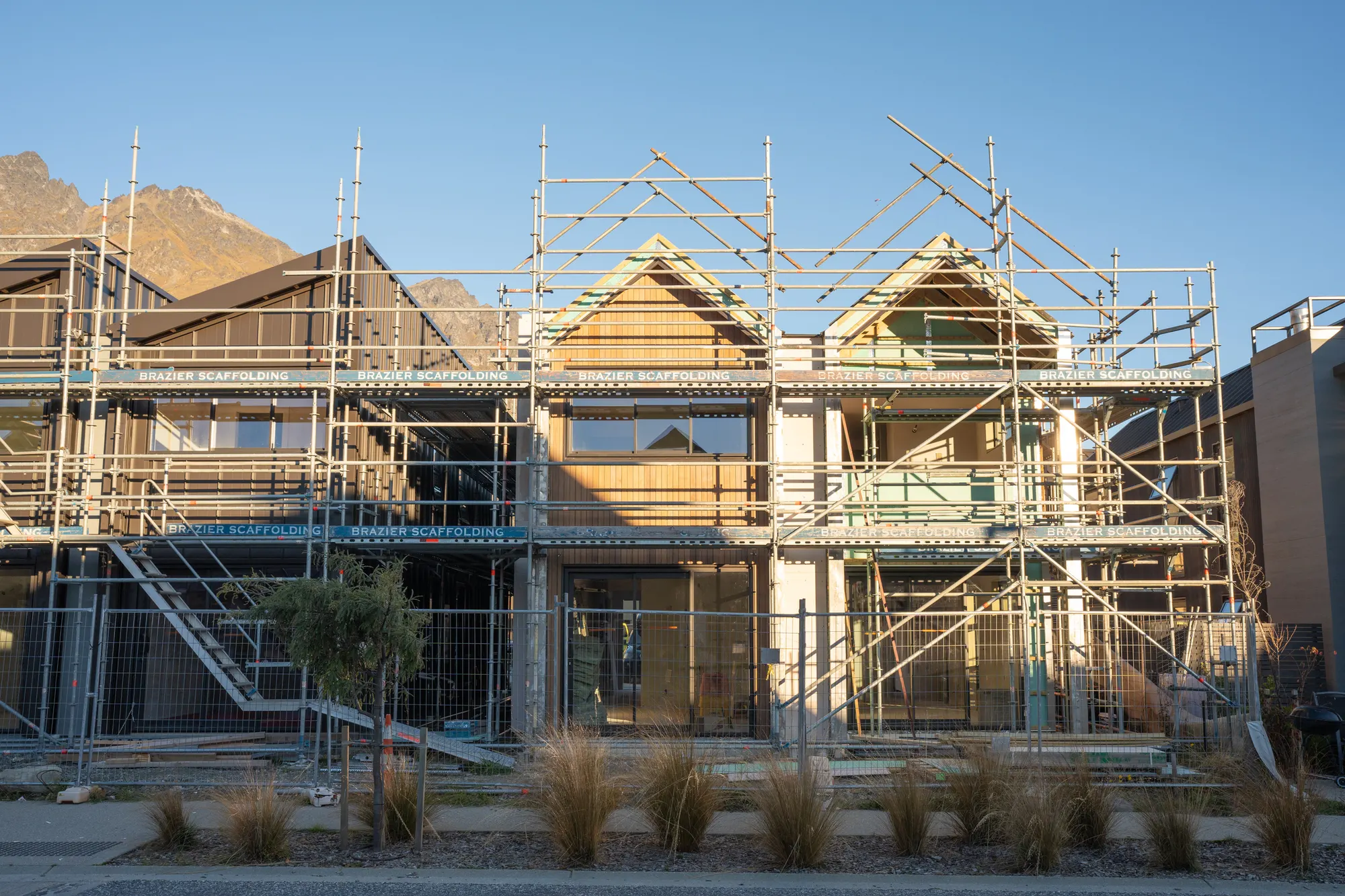
Why Construction Needs a Specialist Approach
Construction is one of the industries lenders are most cautious about. Business failures in the sector run higher than average, and many banks respond with blanket restrictions that have little to do with how well your own business is run.
Specialist lenders look at the business in front of them: your track record, your contracts, your builder's licence and how you manage cash flow. They also understand progress payments and retentions, which many general lenders don't. That's often the difference between a decline and an approval.
Builder or Developer: Different Finance for Different Work
| Builders, trades and contractors | Property developers | |
|---|---|---|
| What you're funding | Plant, vehicles and cash flow between payments | Land, construction costs and holding costs |
| Main security | Equipment, receivables or property you own | The development site itself |
| Typical products | Equipment finance, invoice finance, line of credit | Development and construction loans |
| How it's drawn | Upfront or as needed | In stages as construction progresses |
| How it's repaid | From ongoing trading | From sales or refinance on completion |
| What lenders focus on | Contracts, licence and cash flow | Feasibility, presales and experience |
Some businesses sit on both sides, such as a builder who also develops their own projects. We'll look at each part separately so each gets the finance that suits it.
What We Can Help You Fund
-
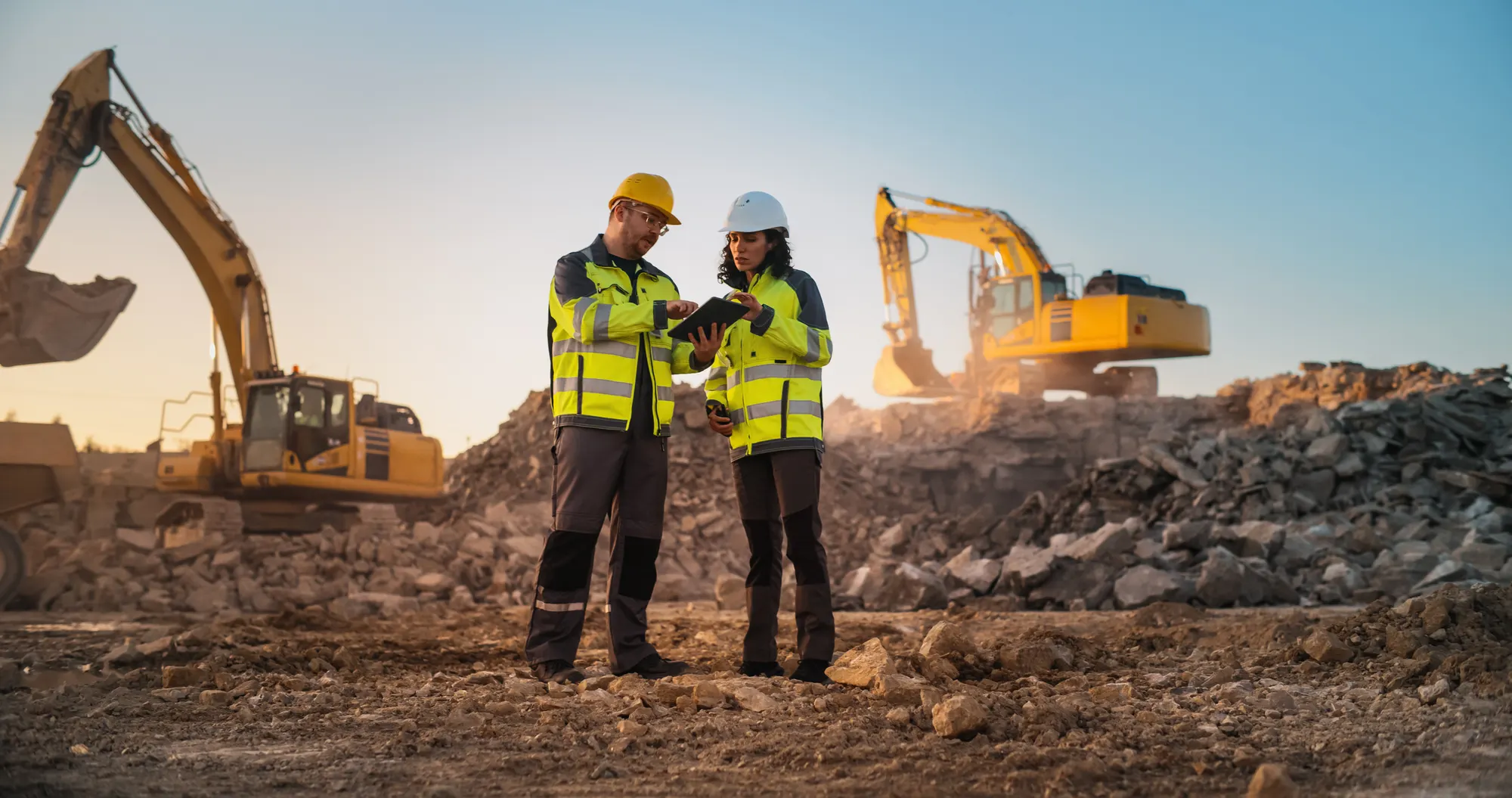
Excavators, loaders and other plant
-
Utes, tippers and trucks
-
Tools and site equipment
-
Working capital between progress payments
-
Materials for larger contracts
-
Development projects, subject to scope

What Does It Cost?
Costs vary by product. Equipment finance is secured against the machine or vehicle and usually prices well. Working capital facilities are priced on your trading and the security involved. Development finance is priced on the project itself, including the site, the feasibility and the level of presales.
-
Industry caution affects pricing
Because some lenders view construction as higher risk, pricing can vary widely between them. That's exactly why comparing specialists matters. The same business can see very different offers.
-
Fees
Establishment fees apply to most facilities, and development finance usually carries additional fees for valuations and progress inspections. We'll set every cost out in writing before you commit.

Are You Eligible?
- An active ABN and, where relevant, a current builder's or trade licence
- Evidence the business can meet repayments
- A personal guarantee from a director
- For contractors, a pipeline of contracted work helps
- For developers, a feasibility study, relevant experience and usually some presales
A strong track record goes a long way. Completed projects, repeat clients and signed contracts all help a lender see past the industry's reputation.
What You Need to Apply
-
For builders and trades
Your licence, bank statements, financials or BAS, and details of current and upcoming contracts.
-
For equipment
A quote with make, model and price, plus hours and serial number for used plant.
-
For developers
Site details, approvals, a feasibility study, construction costings and any presales.
How We Work With Construction Businesses

-
First conversation
We look at the type of work you do, your contracts and where cash gets tight.
-
Structure
We separate equipment, working capital and project needs, and match each to the right product.
-
Lender match
We shortlist lenders who understand construction rather than avoid it.
-
Ongoing
Work comes in waves. Once we know your business, the next machine or facility is quicker to arrange.
Common Pitfalls in Construction Finance
-
Funding one job's shortfall with the next job's deposit
It works until it doesn't, and it's a common way good builders get into trouble.
-
Buying plant for a single project
Hiring may be cheaper, and we'd rather tell you that.
-
Underestimating how long progress payments take
Build in room for delays and disputed claims.
-
Letting ATO obligations slide when cash is tight
ATO Tax Debt Loans can help, but it's far easier to address early.
-
Applying to banks with blanket construction restrictions
A decline leaves a mark on your credit file, so apply where you're likely to be approved.
Why do banks decline construction businesses?
Many banks apply tighter criteria to construction because failure rates in the sector are higher. That's a view of the industry, not your business. Specialist lenders assess you on your own record, which often changes the outcome.
How can I manage cash flow between progress payments?
A line of credit gives you a buffer for ongoing costs, and invoice finance can release money tied up in approved claims. Many builders use one or both. We'll help you work out which suits your payment pattern.
Can I finance plant and equipment?
Yes. Excavators, loaders and other plant are covered by our Yellow Goods Finance page, and utes and trucks by Business Vehicle Finance. Both can be new or used.
Do you arrange development finance?
We can help with development funding. Lenders look closely at the site, the feasibility, your experience and presales, and funds are usually drawn in stages as work progresses.
Do I need a builder's licence?
For most licensed building work, yes, and lenders will ask for it. Trades that don't require a licence can still access finance based on their trading and contracts.
Can I get finance if I've had a tough year?
Often, yes. Construction is cyclical and lenders who know the industry understand that. What matters most is how the business is trading now and what work is in the pipeline.
Related finance
- Asset Finance Yellow Goods Finance Earthmoving and Construction Equipment
- Asset Finance Business Vehicle Finance Cars, Utes, Vans and Trucks
- Property Finance Bridging Finance Buy Before You've Sold
- Industry Manufacturing Finance Machinery, Materials and Working Capital
- Industry Transport and Logistics Finance Keep the Fleet Moving
