
Industry Specific Finance
Hospitality Finance Australia-Wide
Restaurants, Cafés, Pubs and Hotels
- Access to 110+ lenders
- Specialist hospitality lenders
- Seasonal trading understood
Rates and lender policies current as of .

Hospitality is hard work, and it doesn't pay on a smooth schedule. There are busy nights and dead Tuesdays, peak seasons and quiet months, and equipment that always seems to fail on a Saturday. Most lenders look at that pattern and see risk.
Unitree Finance works with lenders across a panel of more than 110, including specialists who understand how hospitality businesses earn. Whether you're fitting out a new café, replacing kitchen equipment, buying an established restaurant or taking on a pub, we'll help you find finance that allows for the ups and downs.
- 15+ years experience
- 110+ lenders on our panel
- FBAA member broker
At a Glance
-
Kitchen and bar equipment
-
Venue fit-out
Fit-out finance, secured or unsecured
-
Buying a café, restaurant or pub
-
Buying the freehold
-
Quiet months and supplier bills
-
Delivery vehicles

Why Hospitality Needs a Specialist Approach
Hospitality is one of the sectors lenders are most careful with. Margins are tight, costs move, and a lot of venues don't make it past the first few years. Some banks respond by avoiding the industry altogether.
Specialist lenders take a more practical view. They understand seasonal trading, card takings and the value of a well-established venue with a loyal following. They'll look at how your business actually performs rather than how the sector does on average.
Leasehold or Freehold: How Lenders See Your Venue
| Leasehold venue | Freehold venue | |
|---|---|---|
| What you own | The business, goodwill, fit-out and equipment | The business and the building it trades from |
| What secures the loan | Equipment, trading history, sometimes other property | The property itself |
| Lender appetite | More selective | Broader, thanks to the property security |
| Lease length matters | A lot. Lenders want the lease to outlast the loan | Not applicable |
| Typical products | Business loans and equipment finance | Commercial property loans |
If you're buying a leasehold business, check the remaining lease term early. A short lease with limited options can make a lender nervous, because the business may have nowhere to trade once it ends.
What We Can Help You Fund
-
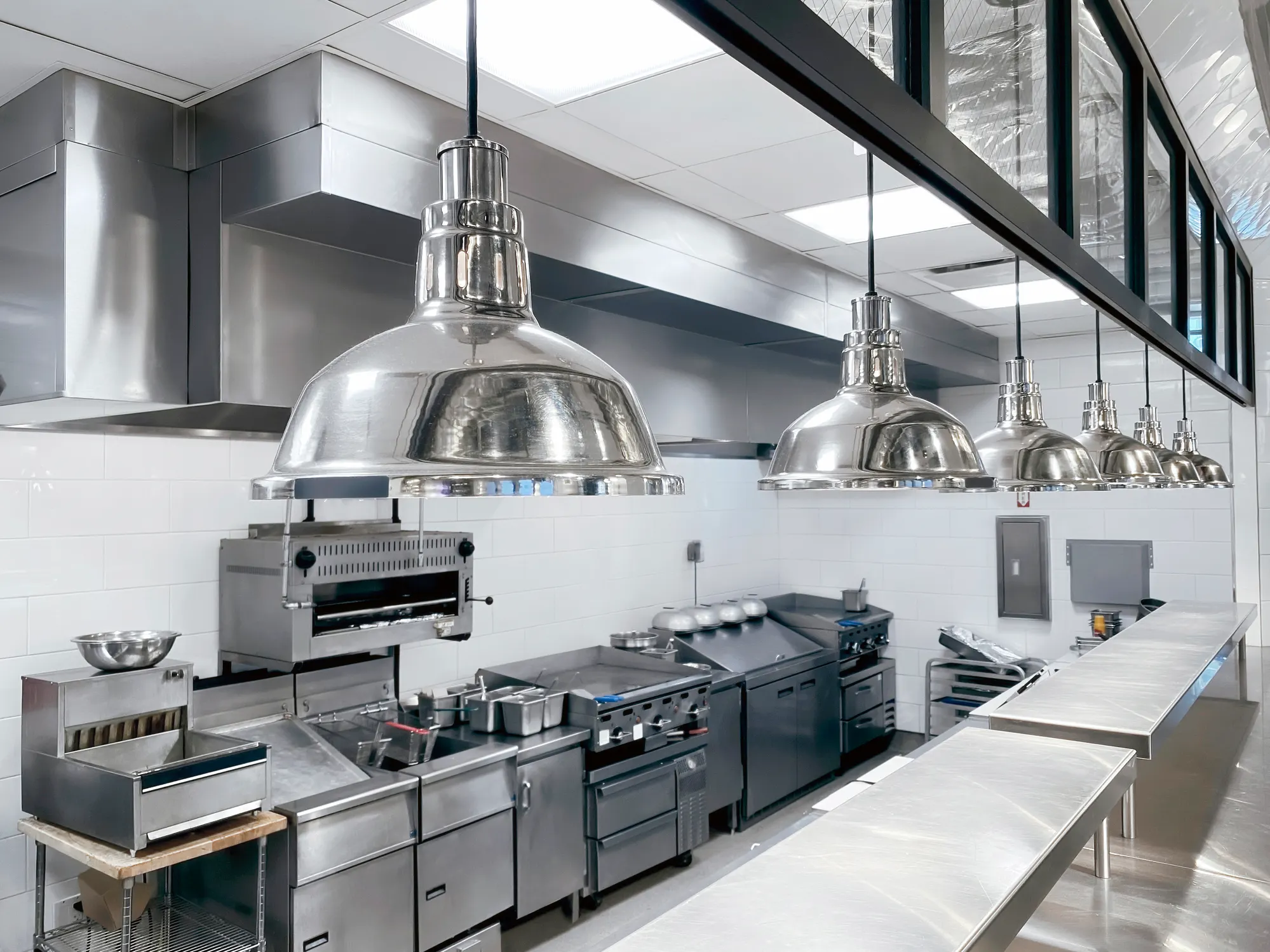
Commercial kitchen equipment, coolrooms and bar fit-outs
-
New venue fit-outs and refurbishments
-
Buying an existing café, restaurant, bar or pub
-
Freehold venues and hotels
-
Working capital through quiet seasons
-
Delivery and catering vehicles

What Does It Cost?
Costs depend on the product. Equipment finance is secured against the equipment and tends to price well. Business loans for leasehold venues can price higher, because the lender relies more on trading performance. Freehold purchases are priced as commercial property.
-
Fit-outs are priced differently
A fit-out has little resale value once installed, so lenders are more cautious with it than with equipment they could sell. It's worth separating the two where you can. Kitchen equipment on its own usually finances better than a bundled fit-out.
-
Fees
Expect establishment fees on most facilities. We'll set every cost out in writing before you commit.

Are You Eligible?
- An active ABN, with new venues considered depending on experience and security
- Evidence the business can meet repayments
- A personal guarantee from a director
- For leasehold venues, a lease that runs comfortably beyond the loan term
- A liquor licence where relevant
Hospitality experience makes a real difference, and it's often what tips an application over the line. A chef or venue manager opening their own place brings a track record that lenders value, particularly if they've run a kitchen or floor successfully before.
What You Need to Apply
-
For equipment
Quotes with make, model and price.
-
For buying a venue
The sale contract, the lease, the business's recent financials and trading figures.
-
About the business
Bank statements, card takings history, and financials or BAS depending on the amount.
How We Work With Hospitality Businesses

-
First conversation
We look at your venue, how trade moves through the year and what you need funding for.
-
Structure
We separate equipment, fit-out and working capital, so each is funded as cheaply as possible.
-
Lender match
We shortlist lenders who understand hospitality rather than avoid it.
-
Ongoing
When the next refurbishment or second venue comes around, we already know your business.
Common Pitfalls in Hospitality Finance
-
Signing a lease before the finance is approved
Get both lined up together so you're not paying rent on a venue you can't fit out.
-
Bundling kitchen equipment into the fit-out
Financed separately, equipment usually costs less.
-
Buying a business with a short lease
Check the remaining term and options before you commit.
-
Setting repayments based on your best month
Build in room for the quiet season.
-
Covering supplier bills with high-cost short-term loans
A proper line of credit is almost always cheaper.
Can I get finance to open a new café or restaurant?
Often, yes, particularly if you have hospitality experience. Lenders will look at your background, your business plan and any security you can offer. Equipment finance is usually the easiest part to arrange.
Can I finance buying an existing venue?
Yes. Buying an established business is often easier to finance than starting fresh, because there's trading history to show the lender. The lease term and the venue's financials are what lenders focus on most.
Can you finance commercial kitchen equipment?
Yes. Ovens, fridges, coolrooms, coffee machines and other kitchen equipment are commonly financed, new or used, and usually price well because the equipment secures the loan.
What about pubs and hotels?
We can help with both. Freehold pubs and hotels are financed as commercial property, and lenders pay close attention to trading figures and the gaming or accommodation side of the business.
How do I manage quiet months?
A line of credit or overdraft gives you a buffer to draw on when trade slows and repay when it picks up. It's far cheaper than using short-term loans to cover the gap, and it's there when you need it.
Why has my bank declined me?
Many banks restrict lending to hospitality because the sector has higher failure rates. That's a view of the industry, not necessarily your business. Specialist lenders assess your venue on its own performance.
Related finance
- Business Finance Unsecured Business Loans Funding Without Collateral
- Property Finance Commercial Property Loans Buy, Refinance or Release Equity
- Business Finance Business Line of Credit Draw What You Need, Pay for What You Use
- Industry Retail Finance Stock, Fit-Outs and Peak Season Funding
- Industry Medical and Healthcare Finance Fit-Outs, Equipment and Practice Funding
