




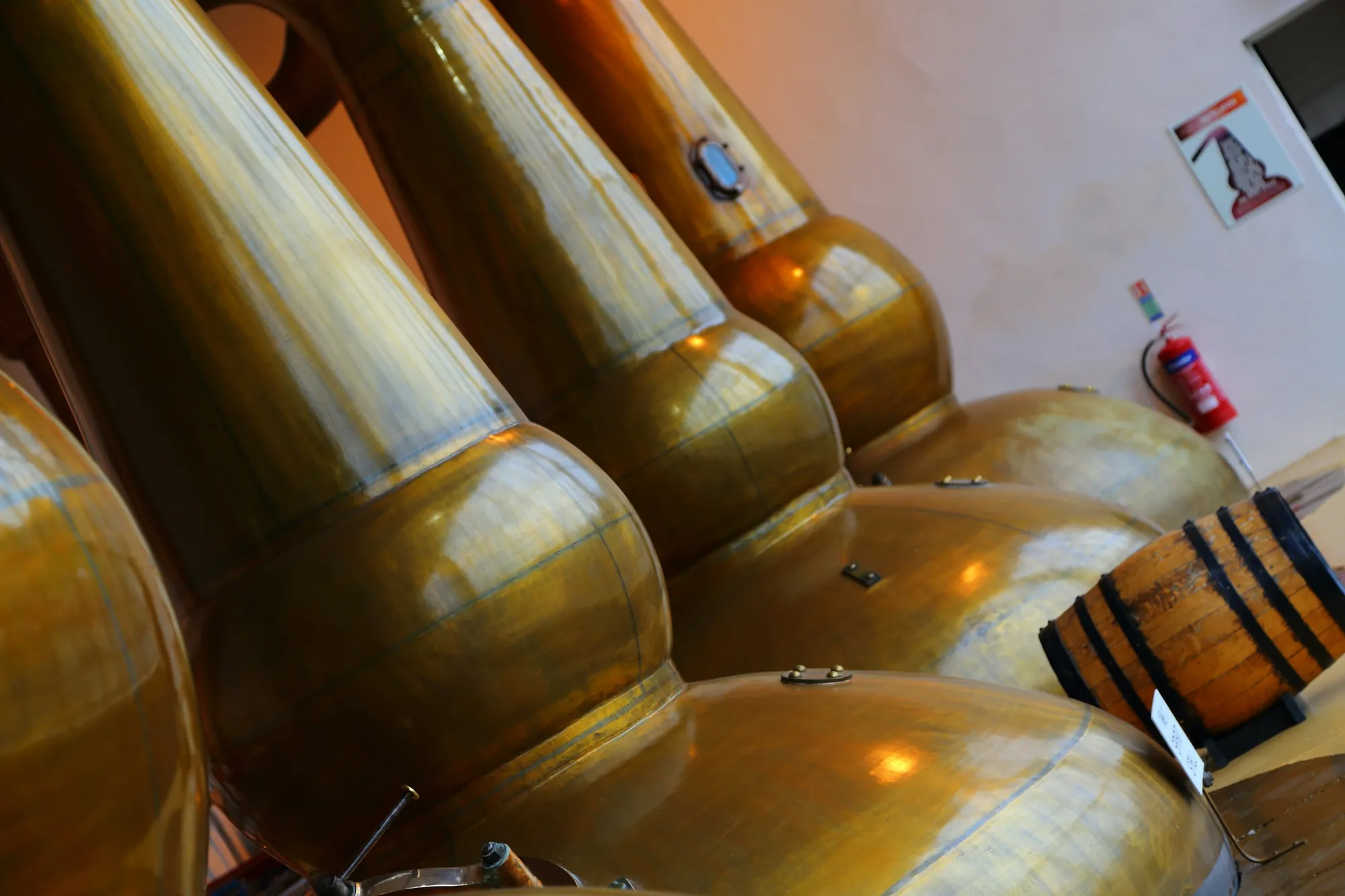
A distillery in New South Wales turning over $1.5 million a year was repaying $5,000 to $6,000 a week on a short-term business loan priced at roughly 30% plus 1.5% drawdown fees. Unitree Finance refinanced it into a $350,000 facility at 14.24% p.a. over five years, bringing repayments down to about $1,950 a week.
At a glance
| Business | Distillery, New South Wales |
|---|---|
| Annual turnover | Approximately $1.5 million |
| Previous rate | Approximately 30% p.a. plus 1.5% per drawdown |
| Previous term | 3 years |
| Previous repayments | $5,000–$6,000 per week |
| Facility arranged | $350,000 |
| New rate | 14.24% p.a. |
| New term | 5 years |
| New repayments | Approximately $1,950 per week |
| Reduction in repayments | Approximately $3,000–$4,000 per week |
| Lender | Specialist non-bank lender from our panel of 110+ |
A profitable business on an unsustainable repayment schedule
The distillery was trading well. Turnover of about $1.5 million a year, an established product, and no question over the quality of the business. The problem was entirely in the financing.
It was carrying a short-term business loan priced at approximately 30% per annum, with a further 1.5% charged on every drawdown, repayable over three years. Repayments came out weekly at $5,000 to $6,000. On $1.5 million of turnover that is between $260,000 and $312,000 a year leaving the business as loan repayments alone, before stock, wages, excise or rent — and excise alone is a substantial fixed cost for an Australian distiller.
Weekly repayment structures are standard among short-term business lenders because they reduce the lender's exposure. For the borrower they do the opposite. They take cash out of the account before it can be used, and they leave no room in a slow week.
Why the loan was so expensive
Nothing about the business justified 30%. Three things usually explain pricing at that level, and they are worth separating because the fix depends on which one applies:
- The borrower approached a short-term lender first and never tested the wider market.
- There was a credit or conduct issue at the time of the original application that has since been resolved.
- The money was needed fast, and speed was priced in.
Here it was the first. The business had taken the facility that was in front of it. Nothing in its position at the time we looked at it — turnover, banking conduct, trading history — supported pricing anywhere near 30%.
What we did
- Read six months of bank statements for the actual cash position rather than the stated one, including what the weekly debits were doing to the balance mid-week.
- Established that the business serviced a materially lower repayment comfortably. That is the only question a refinance lender genuinely asks.
- Obtained the incumbent's payout figure and checked whether the drawdown fee structure created an early exit cost.
- Took the application to the lenders on our panel that write term facilities for food and beverage manufacturers and that are comfortable refinancing a short-term lender. That is a narrower group than it sounds, because some lenders read the presence of a high-cost facility as an adverse signal in itself.
- Presented the case as a cash flow repair rather than new borrowing. The business was not asking for more money. It was asking to pay less for the money it already had.
That last point is the technique. A refinance framed as a request for funding invites a serviceability test on a new liability. Framed as the replacement of an existing one at a lower cost, it invites a comparison the borrower wins.
The outcome
$350,000 at 14.24% p.a. over five years, repayable weekly at about $1,950.
Annual repayments fell from roughly $260,000–$312,000 to about $101,400. That is between $160,000 and $210,000 a year back inside the business, before counting the 1.5% drawdown fees it no longer pays.
Why the refinance was approved
Four things, all of which a business in the same position can check before it applies:
- Six months of bank statements with no dishonours and no missed repayments on the existing facility. A business that has serviced 30% money on time is, on the evidence, a strong servicing risk at 14.24%.
- Turnover comfortably clear of the lender's minimum.
- More than two years of trading in an established industry.
- A payout figure from the incumbent that left no shortfall for the business to fund.
Can you refinance out of a high-interest business loan?
Usually yes, and the strongest predictor of success is your repayment history on the expensive loan itself.
Lenders assessing a refinance are not troubled by the existence of a high-rate facility. They are reading how you handled it. Twelve clean months at 28% is better evidence of servicing capacity than twelve clean months at 9%.
What actually stops a refinance:
- Unpaid defaults, or an ATO payment plan in arrears
- Dishonours in the last six months
- Turnover below the incoming lender's minimum, commonly $15,000 a month and above
- A payout figure larger than the new lender will advance, leaving a shortfall the business cannot cover
- Less than six months of trading
Does a longer term cost more?
Sometimes, and it is worth being clear about it. Over a full term, five years at a lower rate can cost more in total interest than three years at a higher one, depending on the balances involved. In this case the rate roughly halved while the term extended, so both the weekly cost and the total cost fell.
But the comparison that mattered to this business was not total interest over five years. It was whether $5,500 a week could keep leaving the account every week for three years. It could not. A facility a business cannot service is not cheap at any rate.
The rates, terms and outcomes on this page relate to a single transaction arranged by Unitree Finance. They are not an offer, a quote, or an indication of what is available to any other borrower. Pricing and approval depend on each lender's assessment of an applicant's circumstances. Unitree Finance is a finance broker, not a lender. Credit Representative 567862 of AFAS Group Pty Ltd, Australian Credit Licence 414426.
Can you refinance a business loan that is still inside its term?
Yes. Most commercial facilities can be paid out early. Check the contract for break costs: some short-term lenders charge the full remaining interest, which can make a refinance uneconomic, while term lenders more often charge a fixed fee or nothing.
What rate can a business expect when refinancing out of a short-term lender?
It depends on security, turnover, trading history and conduct. Unsecured term facilities for established businesses with clean conduct commonly price in the low to mid teens. Property-secured lending prices lower. No figure on this page is a quote.
Do you need property security to refinance a high-rate business loan?
No. This facility was arranged without property security. Offering property generally lowers the rate and raises the amount available, but it is not a requirement.
How long does a business loan refinance take?
Anywhere from a few days to a few weeks. The variable is usually how quickly the existing lender issues a payout figure, not the new lender's assessment.
Will refinancing hurt my business credit file?
The application creates a credit enquiry, which stays on your file for five years. One enquiry on a well-prepared application is routine. Several in a short window can affect how later lenders score you, which is why an application should go to the right lender first rather than to several at once.
What are drawdown fees and why do they matter?
A drawdown fee is a percentage charged each time you draw funds, separate from the interest rate. At 1.5%, a business drawing $100,000 over a year pays $1,500 that never appears in the advertised rate. Compare the total cost of funds, not the headline rate.
Does a high-interest loan on my file stop me getting cheaper finance later?
No. Lenders read your conduct, not the rate you were paying.
Finance that can help
Related Support
Guides